Palm Scan Biometrics Emerge as Defense Against Deepfakes
A startup is betting that palm vein scanning can provide identity verification that AI-generated deepfakes cannot spoof, offering a biological layer of defense against synthetic media fraud.
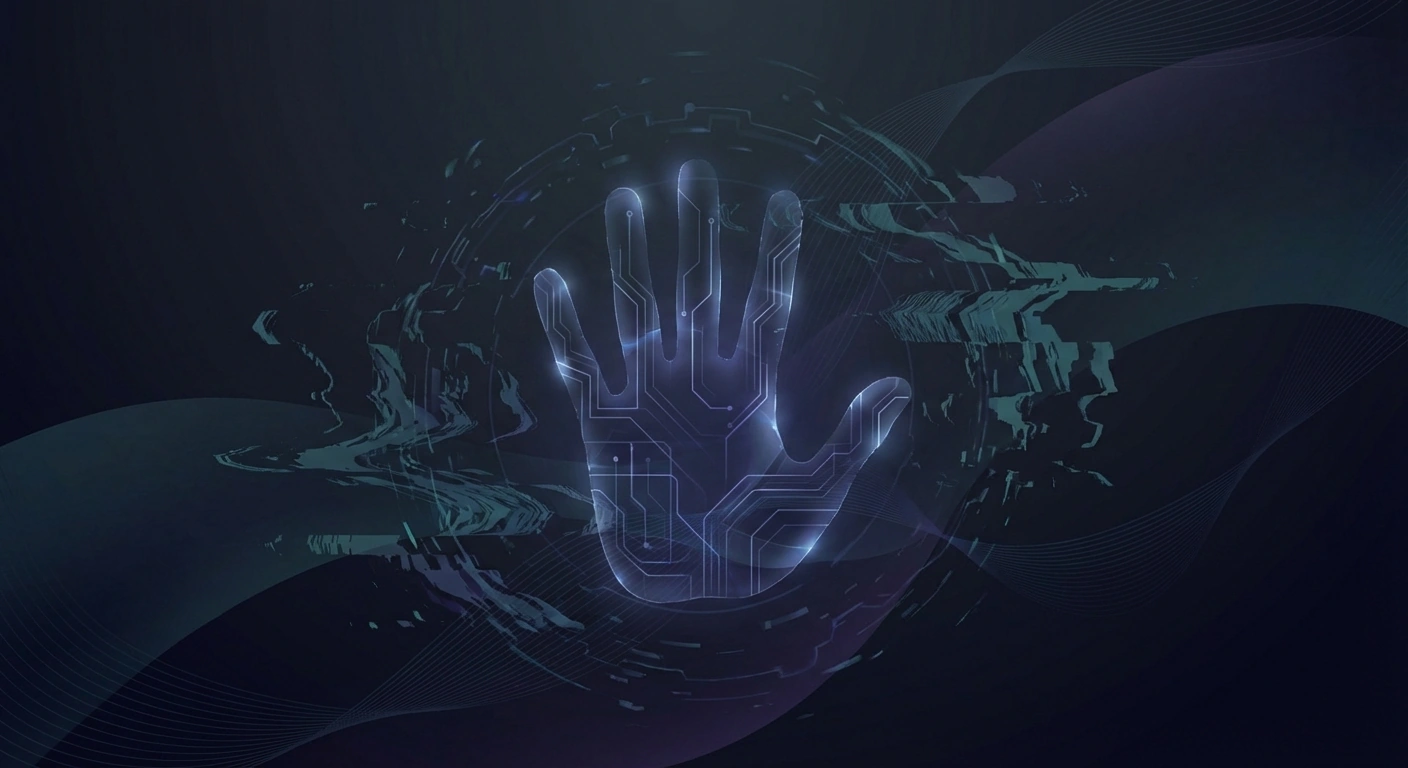
As deepfake technology grows increasingly convincing — capable of replicating faces, voices, and mannerisms in real time — the identity verification industry is scrambling for solutions that AI cannot easily forge. A new startup is placing its bet on an unlikely anatomical feature: the palm of your hand.
Why Deepfakes Break Traditional Authentication
The rapid advancement of AI-generated synthetic media has exposed fundamental weaknesses in conventional identity verification systems. Face-based biometrics, once considered a gold standard, are now vulnerable to sophisticated deepfake attacks. Real-time face-swapping tools can fool liveness detection systems, while voice cloning technology has been used to impersonate executives in high-profile fraud cases. Even video-based KYC (Know Your Customer) processes, widely used in banking and fintech, have been compromised by increasingly realistic AI-generated video.
The core problem is that deepfake models are trained on the very data that traditional biometric systems rely upon: facial features and voice patterns. Massive datasets of faces and audio are publicly available, giving bad actors abundant training material. This has created an arms race between deepfake generators and detection systems — one that detection tools are not always winning.
The Palm Vein Advantage
Palm vein scanning works by using near-infrared light to capture the unique pattern of blood vessels beneath the skin's surface. Unlike facial features, which are externally visible and easily photographed or scraped from social media, vein patterns are subcutaneous — they exist beneath the skin and are invisible to the naked eye and standard cameras.
This creates a significant barrier for AI-based spoofing. To generate a convincing deepfake of someone's face, an attacker needs only publicly available photos or video. To replicate a palm vein pattern, they would need access to near-infrared imaging of the target's hand — data that simply doesn't exist in publicly available datasets. The attack surface is dramatically reduced.
Palm vein patterns also offer several technical advantages as biometric identifiers:
- Uniqueness: Vein patterns are distinct even between identical twins, offering a higher degree of individual differentiation than many facial recognition systems.
- Stability: Unlike facial features, which change with age, weight fluctuation, or cosmetic procedures, palm vein patterns remain largely stable throughout adulthood.
- Liveness inherent: Because the scan detects blood flow through veins, it inherently requires a living hand, making it resistant to presentation attacks using photographs, molds, or prosthetics.
Technical and Market Context
Palm-based biometrics are not entirely new. Amazon's Amazon One system already uses palm recognition for payments and age verification at retail locations and event venues. However, Amazon's system primarily relies on palm print patterns (surface-level features) combined with vein patterns, and its primary use case is convenience rather than anti-deepfake security.
What distinguishes the new startup approach is the explicit positioning against synthetic media threats. As enterprises face growing risks from AI-generated impersonation — from deepfake video calls used in business email compromise (BEC) attacks to synthetic identity fraud in financial services — there is mounting demand for authentication methods that exist outside the deepfake threat model entirely.
The market for deepfake detection and digital authenticity solutions has seen significant investment. Companies like Reality Defender, which recently showcased enterprise deepfake detection tools at RSAC 2026, are tackling the problem from the detection side — analyzing media to determine if it's AI-generated. Palm vein biometrics represent a complementary approach: rather than detecting fakes, they anchor verification to a biological signal that current generative AI simply cannot produce.
Challenges Ahead
Despite its promise, palm vein scanning faces adoption hurdles. It requires specialized near-infrared hardware, which limits deployment compared to face or voice biometrics that work with standard cameras and microphones. Scaling the technology to remote verification scenarios — where a user isn't physically present at a scanning terminal — remains an unsolved challenge.
There's also the question of whether generative AI will eventually catch up. While vein patterns are not currently in training datasets, the history of biometric security suggests that no single modality stays invulnerable indefinitely. A multi-modal approach combining palm vein scanning with other anti-spoofing measures may ultimately prove more robust than any single biometric factor.
The Bigger Picture
The emergence of palm vein biometrics as an anti-deepfake measure reflects a broader shift in the digital authenticity landscape. As generative AI makes visual and audio content increasingly unreliable as proof of identity, the industry is being forced to look beyond the digital realm entirely — anchoring trust in biological signals that synthetic media cannot yet replicate. Whether palm scanning becomes a mainstream defense or a niche solution, it highlights a critical truth: the deepfake problem is pushing authentication technology into fundamentally new territory.
Stay informed on AI video and digital authenticity. Follow Skrew AI News.