YouTube Expands AI Likeness Detection to Celebrities
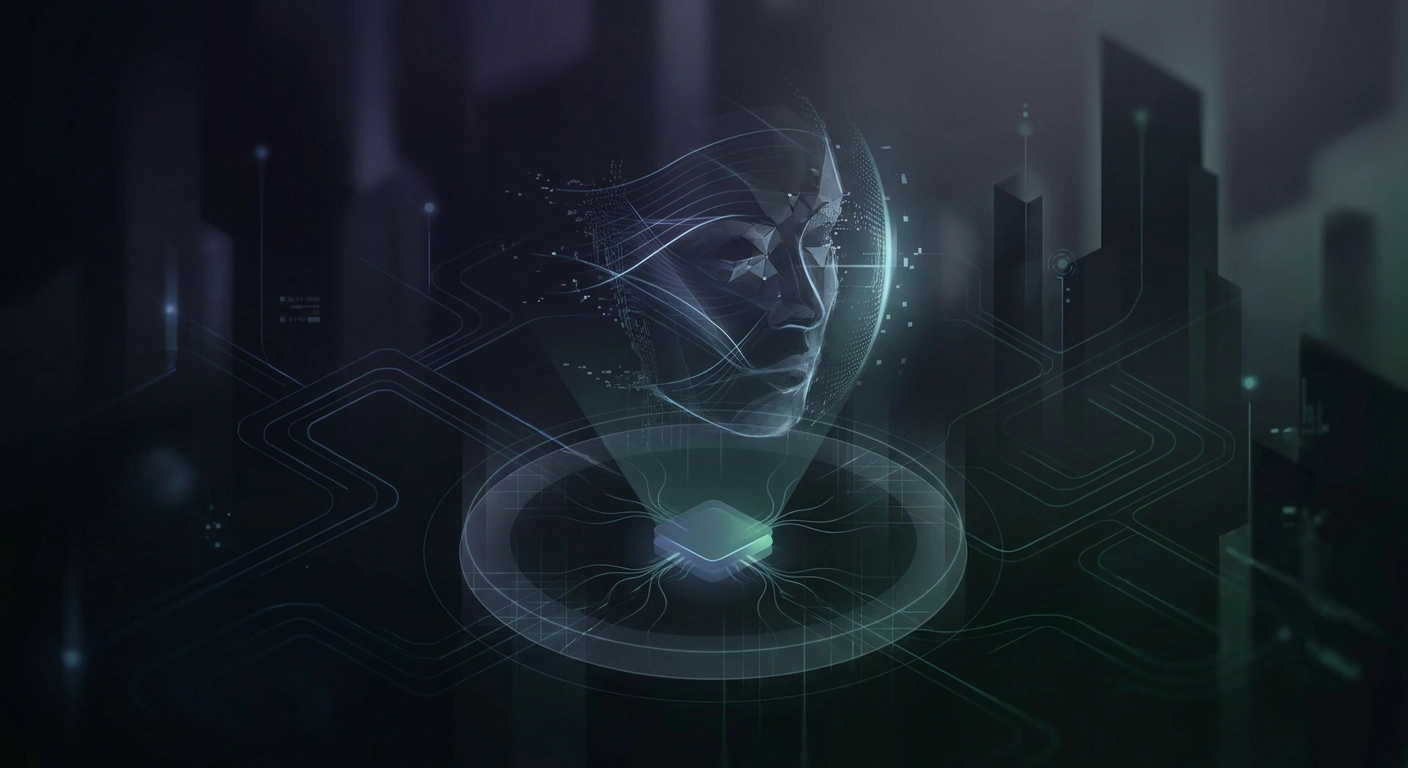
YouTube is broadening its AI-powered likeness detection tool beyond creators to include celebrities, artists, and public figures, aiming to curb unauthorized deepfakes and synthetic impersonations across the platform.
YouTube is expanding its AI likeness detection technology beyond everyday creators to include celebrities, recording artists, athletes, and other high-profile public figures. The move marks a major escalation in the platform's fight against unauthorized deepfakes and synthetic impersonations, which have proliferated as generative video and voice tools become more accessible.
From Creator Protection to Celebrity Shield
Originally piloted as a tool to help YouTube creators identify AI-generated videos that used their face or voice without permission, the detection system is now being scaled up to cover individuals whose likenesses are most frequently targeted by bad actors: musicians, actors, athletes, and influencers. These public figures have long been prime subjects for deepfake scams — ranging from fake celebrity endorsements and cryptocurrency fraud to non-consensual intimate imagery and political disinformation.
The expansion builds on technology YouTube developed in partnership with its parent Alphabet's AI research teams, leveraging the same infrastructure behind Content ID — the platform's long-running copyright fingerprinting system — but adapted for biometric and behavioral signals rather than audio/video watermarks.
How the Detection System Works
While YouTube has not disclosed the full technical stack, the likeness detection pipeline reportedly combines several signals:
- Facial recognition embeddings that compare uploaded videos against reference samples of a protected individual's face across multiple angles and lighting conditions.
- Voice print analysis that profiles vocal timbre, cadence, and phonetic patterns to flag cloned audio generated by tools like ElevenLabs-style voice synthesis.
- Synthetic media artifacts detection — classifiers trained to identify telltale signs of diffusion-based video generation, face-swap seams, and lip-sync mismatches common in deepfake output.
When the system flags a potential match, the affected individual (or their representative) receives a notification and can request removal, monetization redirection, or other remediation under YouTube's privacy and impersonation policies.
Why This Matters for Digital Authenticity
The expansion comes amid an industry-wide reckoning with generative AI's impact on trust and identity. Tools like Sora 2, Runway Gen-4, Veo 3, and open-source face-swap frameworks have made high-fidelity video impersonation trivial. Meanwhile, voice cloning now requires as little as three seconds of reference audio to produce convincing replicas.
YouTube's move is significant for several reasons:
- Scale: With billions of hours of video uploaded monthly, YouTube is arguably the largest surface area for deepfake distribution. Automated detection at ingest is the only realistic defense.
- Precedent: If the system proves effective, it creates a template that other platforms — TikTok, Meta, X — will face pressure to replicate.
- Legal alignment: The expansion aligns with emerging regulations such as the proposed U.S. NO FAKES Act, Denmark's recent copyright-style protections on likeness, and the EU AI Act's transparency obligations for synthetic content.
Hollywood and the Music Industry Connection
This announcement also follows YouTube's recent outreach to Hollywood studios, where it has been sharing its deepfake detection tools with major entertainment companies to protect actors and franchises. Major music labels — Universal, Sony, Warner — have been vocal about AI-generated songs mimicking their artists, with the viral "fake Drake" track being an early flashpoint. Bringing artists into the likeness detection program gives labels a more direct enforcement mechanism than blanket takedown notices.
Open Questions
Several technical and policy questions remain. How does YouTube handle parody and satire, which are legally protected in many jurisdictions? What is the false-positive rate, and how are appeals handled when a legitimate lookalike or archival footage gets flagged? And critically, will the system detect deepfakes at the generation stage — before uploads go viral — or only after the damage is done?
The platform has indicated that enrollment in the likeness protection program is opt-in, meaning celebrities and artists (or their agents) must register reference data. This raises concerns about equitable access: high-profile figures with legal teams will be protected, while mid-tier public figures and everyday users targeted by harassment campaigns may remain exposed.
Still, YouTube's expansion signals that platform-level likeness detection is becoming table stakes in the synthetic media era. As generative models continue to improve, the arms race between creation and detection tools will only intensify — and the platforms hosting the content are increasingly on the front lines.
Stay informed on AI video and digital authenticity. Follow Skrew AI News.