xAI Sued Over Grok Image Generator by Baltimore Teens
Baltimore teenagers have filed a lawsuit against Elon Musk's xAI over its Grok AI image generator, raising critical questions about legal liability for synthetic media platforms and AI-generated content.
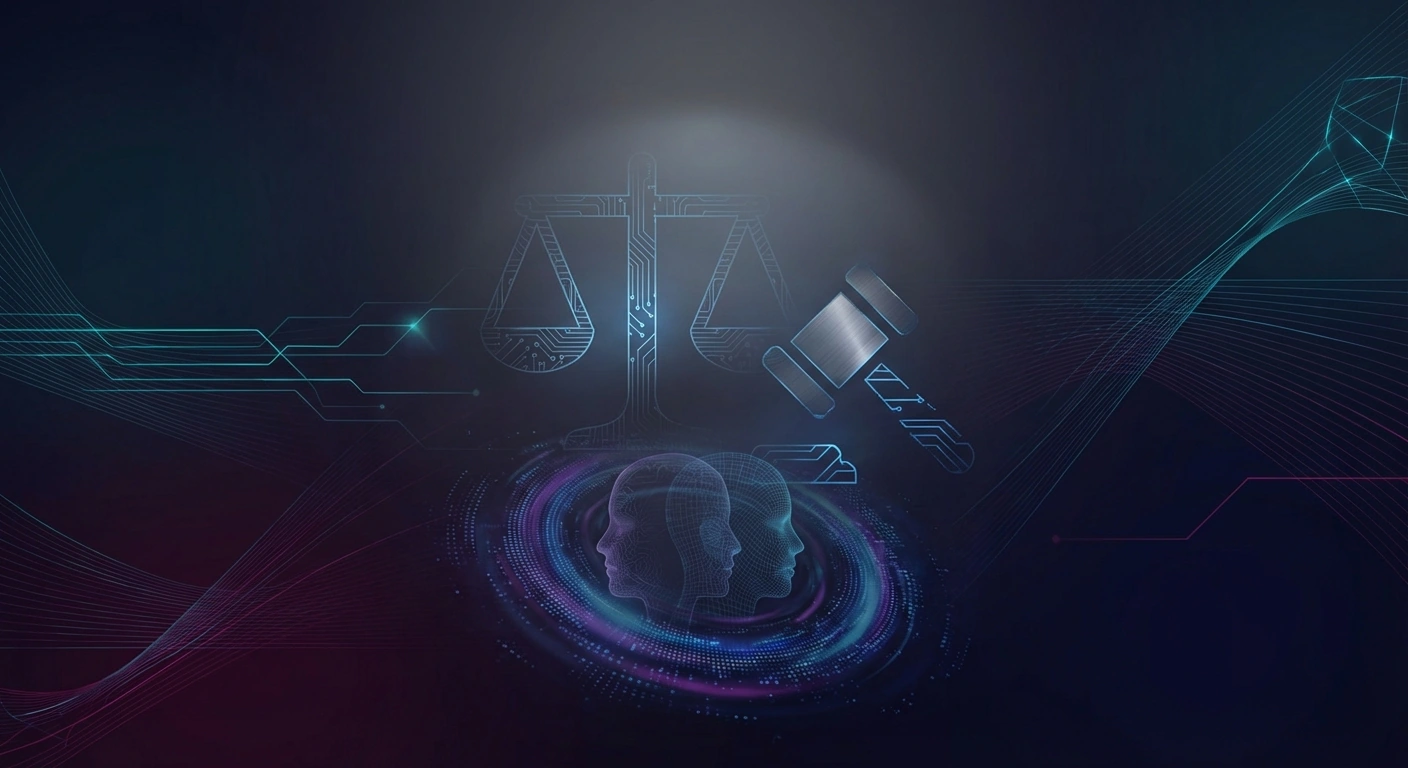
Elon Musk's xAI is facing a lawsuit filed by teenagers in Baltimore over its Grok AI image generator, marking a significant legal challenge that could set precedents for how AI-generated synthetic media platforms are held accountable for the content they enable users to create.
The Lawsuit and Its Implications
The legal action targets xAI's Grok image generation capabilities, which have been notable in the AI industry for their relatively permissive content guardrails compared to competitors like OpenAI's DALL-E, Midjourney, and Google's Imagen. Since its launch, Grok's image generator has drawn attention — and criticism — for its willingness to produce content that other platforms explicitly block, including images of public figures and content that pushes against safety boundaries.
The Baltimore teens' lawsuit represents a growing trend of legal challenges aimed squarely at AI companies over the outputs of their generative models. While the full details of the complaint highlight concerns about harmful content generation, the case fundamentally asks a question that the entire synthetic media industry must eventually answer: who bears responsibility when an AI system generates harmful imagery?
Grok's Approach to Image Generation
xAI's Grok image generator, powered by the company's Aurora model, has distinguished itself through a more permissive approach to content generation. When competitors tightened restrictions — particularly around photorealistic images of real people, political figures, and sensitive scenarios — Grok leaned into fewer restrictions as a differentiator.
This philosophy aligns with Musk's broader stated commitment to "maximum truth-seeking" and minimal censorship in AI systems. However, the same permissiveness that attracted users to the platform also created the conditions for potential misuse. The generation of realistic synthetic images without robust guardrails raises serious concerns about deepfake creation, non-consensual imagery, and the potential for harassment — precisely the issues at the heart of this lawsuit.
From a technical standpoint, the challenge of content moderation in image generation models is non-trivial. Modern diffusion-based and transformer-based image generators operate in latent spaces where restricting specific outputs requires either pre-generation prompt filtering, post-generation output classification, or fine-tuning the model itself to avoid certain content distributions. Each approach involves tradeoffs between user freedom, computational overhead, and the reliability of content filters.
Legal Landscape for AI-Generated Content
This lawsuit arrives at a pivotal moment in the regulatory environment surrounding AI-generated media. Across the United States, states have been rapidly enacting legislation targeting deepfakes and AI-generated content, particularly around non-consensual intimate imagery and election-related disinformation. Federal legislation has also been proposed, though comprehensive national standards remain elusive.
The case against xAI could test several legal theories that will be closely watched across the synthetic media industry:
Product liability: Can an AI image generator be considered a defective product if it lacks adequate safety guardrails? This theory could apply pressure on all AI companies to implement more robust content filtering.
Section 230 protections: The long-standing legal shield for internet platforms may face scrutiny when applied to AI-generated content. Unlike traditional user-generated content, AI outputs are actively created by the platform's own models, potentially weakening Section 230 defenses.
Negligence: If xAI was aware that its less restrictive approach could facilitate harmful content generation, plaintiffs may argue the company failed in its duty of care.
Industry-Wide Ramifications
The outcome of this legal challenge could reshape how every AI image and video generation company approaches content safety. Companies like Stability AI, Midjourney, Runway, and OpenAI have all grappled with where to draw the line on permissible outputs. A legal ruling establishing liability for insufficient guardrails would likely accelerate investment in content moderation systems, watermarking technologies, and provenance tracking — areas already gaining momentum through initiatives like the C2PA standard for content authenticity.
For the broader digital authenticity ecosystem, this case underscores the urgency of developing robust detection and attribution tools. As AI-generated imagery becomes increasingly photorealistic and accessible, the legal, technical, and ethical frameworks governing these systems must evolve in parallel.
What Comes Next
As the lawsuit progresses through the courts, the AI industry will be watching closely. xAI, which has raised billions in funding and continues to expand Grok's capabilities, faces not just a legal battle but a public reckoning over the responsibilities that come with building powerful generative AI tools. The case may ultimately help define the standards of care expected from companies deploying synthetic media technologies at scale — standards that could influence the trajectory of AI image and video generation for years to come.
Stay informed on AI video and digital authenticity. Follow Skrew AI News.