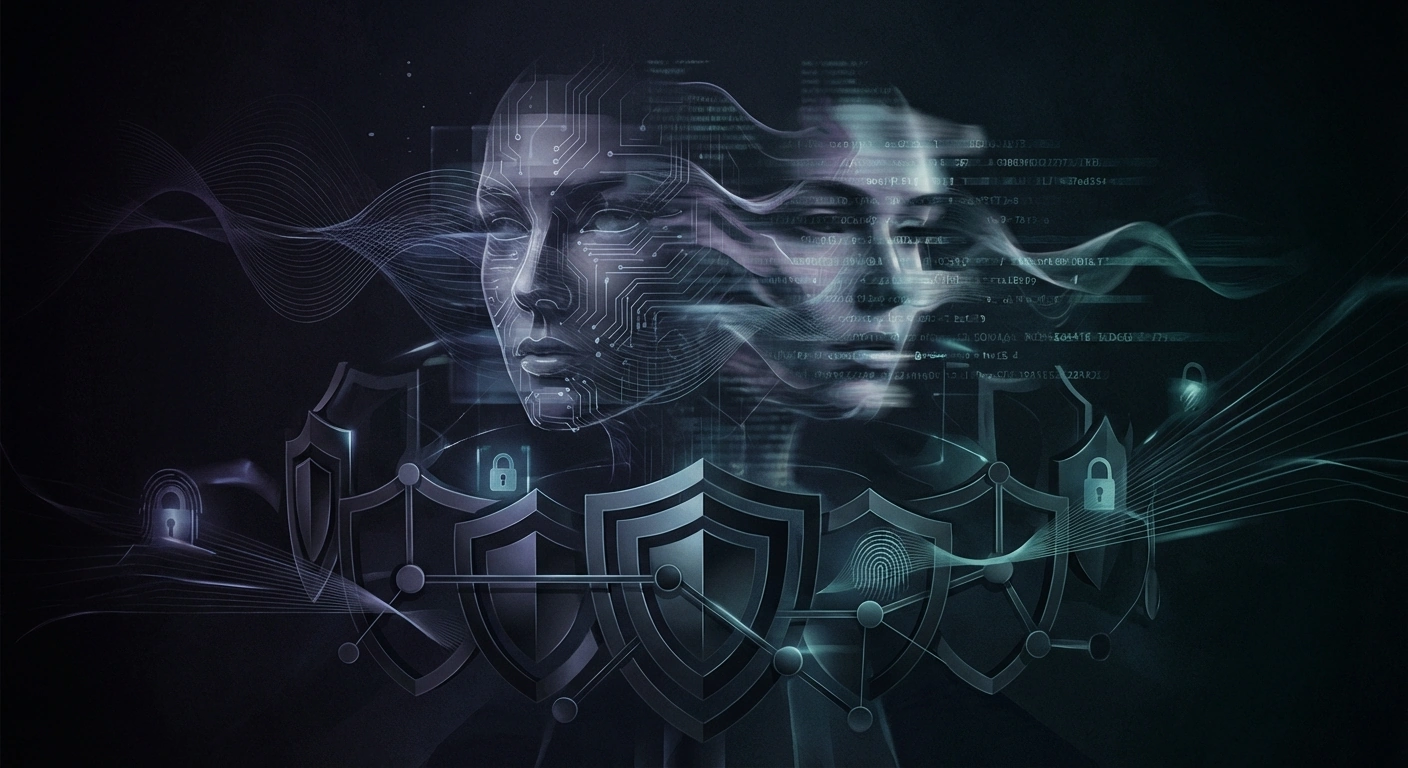
UC Deepfake Threats: 3 Enterprise Attack Vectors Exposed
Enterprise unified communications face growing deepfake threats from voice cloning fraud to video impersonation. Examining three critical attack vectors targeting business communications infrastructure.

As synthetic media technology advances at a breakneck pace, enterprise unified communications (UC) systems have emerged as a prime target for malicious actors wielding deepfake capabilities. The convergence of voice cloning, real-time video manipulation, and AI-powered impersonation creates a perfect storm of security challenges that organizations must urgently address.
The Rising Threat Landscape
Unified communications platforms—the backbone of modern business collaboration—were designed for seamless connectivity, not adversarial AI threats. Video conferencing, voice calls, and messaging systems now face unprecedented risks from synthetic media that can convincingly impersonate executives, manipulate audio in real-time, and create fabricated video evidence of conversations that never occurred.
The implications extend far beyond simple fraud. When attackers can generate convincing audio or video of a CEO authorizing wire transfers, approving contracts, or sharing confidential information, the entire trust foundation of business communications crumbles. Understanding these threat vectors is the first step toward building resilient defenses.
Voice Cloning Fraud in Enterprise Calls
Perhaps the most immediately dangerous application of synthetic media in UC environments is real-time voice cloning for fraud. Modern voice synthesis models require as little as three seconds of sample audio to generate convincing voice clones. For executives with public speaking engagements, earnings calls, or media appearances, attackers have abundant training material readily available.
The attack pattern typically involves impersonating C-suite executives during phone calls to finance departments, requesting urgent wire transfers or sensitive data. These attacks exploit the inherent trust in voice communications and the pressure of urgency that prevents verification. Unlike email-based business email compromise (BEC), voice cloning attacks carry the persuasive weight of hearing a familiar voice—complete with speech patterns, tone, and cadence that employees recognize.
Technical countermeasures include implementing voice biometric verification systems that analyze characteristics difficult to clone, such as breathing patterns, micro-pauses, and spectral signatures that current synthesis models struggle to replicate accurately.
Real-Time Video Deepfakes in Conferencing
The second critical threat vector involves live video deepfakes during video conferences. While early deepfakes required post-production processing, current technology enables real-time face swapping and video manipulation with latency low enough for interactive conversations.
Attackers can join video calls appearing as trusted colleagues, board members, or external partners. The technology leverages encoder-decoder neural networks that map facial movements from one person to another in milliseconds. Combined with voice cloning, these attacks create multi-modal impersonations that are extraordinarily difficult to detect through casual observation.
Enterprise video platforms are beginning to implement detection mechanisms, including analyzing compression artifacts, temporal inconsistencies, and subtle rendering errors that differentiate synthetic video from genuine camera feeds. However, the arms race between generation and detection continues to accelerate, with each improvement in detection spurring corresponding advances in synthesis quality.
Synthetic Media Evidence Fabrication
The third concerning vector involves fabricated recordings used as false evidence or for extortion purposes. Attackers can create synthetic audio or video of private conversations, meetings, or admissions that never occurred—then use these fabrications for blackmail, market manipulation, or legal proceedings.
This threat exploits a fundamental shift in how we treat recorded media as evidence. Historically, audio and video recordings carried presumptive authenticity. Deepfake technology shatters this presumption, creating scenarios where genuine recordings may be dismissed as synthetic, and synthetic recordings may be accepted as genuine.
Organizations must implement cryptographic content authentication systems, including C2PA (Coalition for Content Provenance and Authenticity) standards that embed tamper-evident metadata at the point of capture. These systems create verifiable chains of custody that can distinguish authenticated recordings from potentially synthetic content.
Building Organizational Resilience
Defending against UC deepfake threats requires a multi-layered approach combining technological controls, process changes, and human awareness training. Technical measures should include:
Authentication protocols: Implementing out-of-band verification for sensitive requests, regardless of how convincing the requester appears or sounds.
Detection systems: Deploying AI-powered deepfake detection tools that analyze audio and video streams for synthesis artifacts in real-time.
Content provenance: Adopting cryptographic signing for all official communications, enabling recipients to verify authenticity through digital signatures rather than perceptual judgment.
Process changes must address the human element. Employees need training to recognize social engineering tactics that accompany synthetic media attacks—the urgency, secrecy, and authority pressure that prevent verification steps. Organizations should establish clear escalation procedures that cannot be bypassed by apparent seniority.
The Path Forward
The proliferation of accessible deepfake tools means these threats will only intensify. Enterprise UC vendors are racing to integrate detection capabilities, but the fundamental architecture of most platforms—designed for trust and convenience—creates inherent vulnerabilities.
Organizations that proactively address these threats through technology, policy, and training will be better positioned to maintain secure communications as synthetic media capabilities continue advancing. The alternative—waiting for a successful attack to drive change—carries costs that extend far beyond immediate financial losses to long-term erosion of trust in digital communications.
Stay informed on AI video and digital authenticity. Follow Skrew AI News.