Inside the Black Box: The Quest to Decode Neural Networks
Researchers are racing to understand what happens inside neural networks. Mechanistic interpretability could reshape how we build, audit, and trust AI systems — from deepfake detectors to video generators.
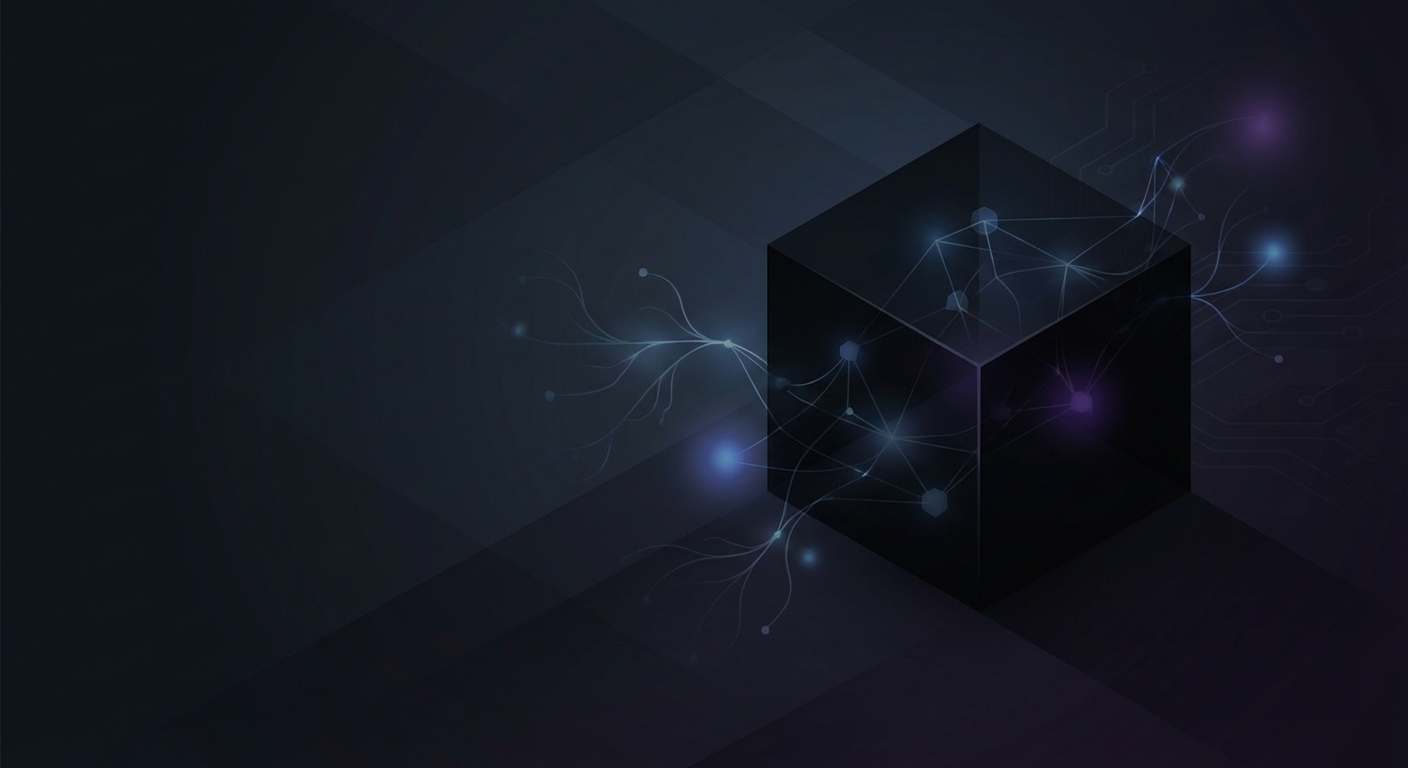
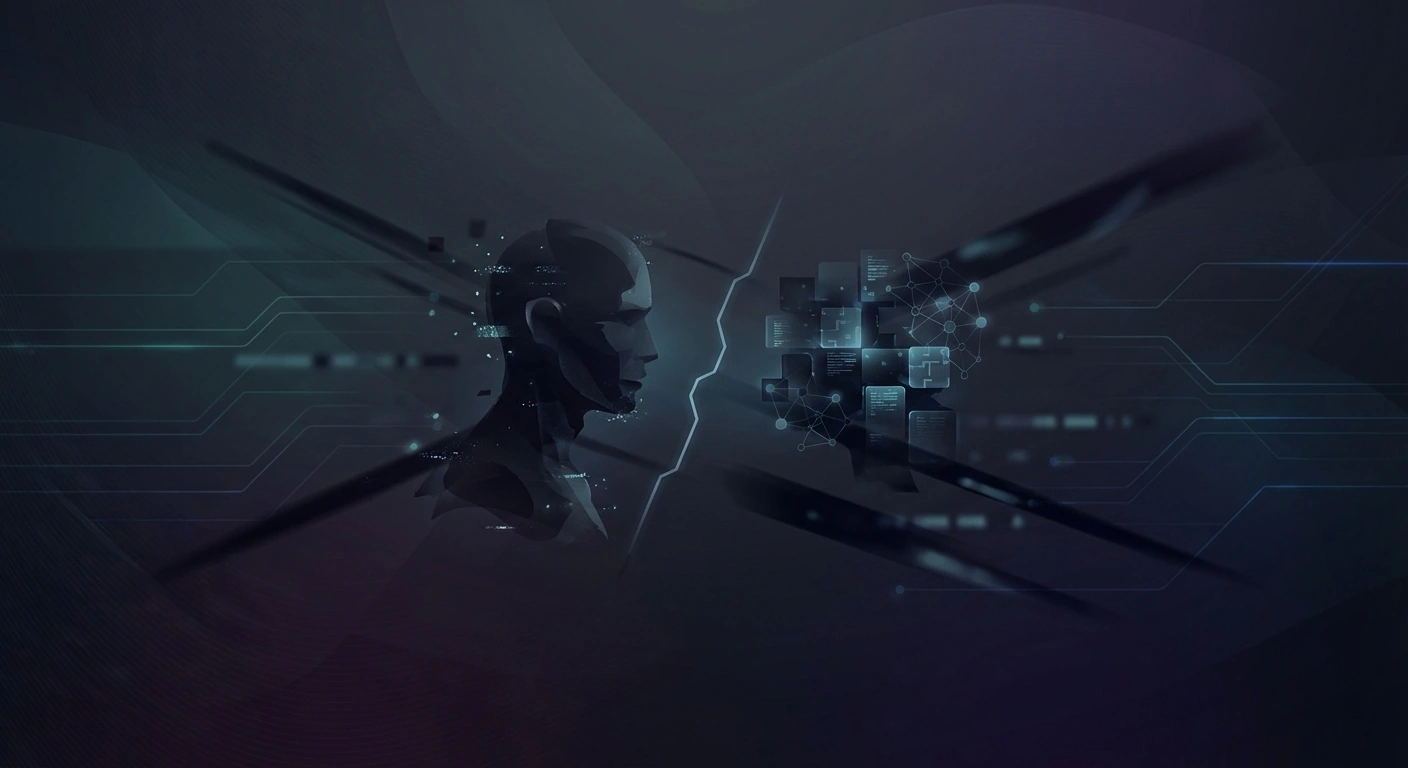
Modern neural networks power everything from photorealistic deepfakes to real-time video generation, yet even their creators cannot fully explain how they produce their outputs. A growing field known as mechanistic interpretability is attempting to change that — and its implications for synthetic media, digital authenticity, and AI safety are profound.
The Black Box Problem
Neural networks are, at their core, vast assemblies of mathematical operations — billions of parameters adjusted during training to minimize error on specific tasks. The result is a system that can generate lifelike human faces, clone voices, or detect manipulated media with remarkable accuracy. But understanding why a particular network makes a specific decision remains an open and urgent question.
This opacity isn't merely an academic concern. In the context of deepfake detection, for example, a classifier might achieve 99% accuracy on a benchmark but fail catastrophically on a novel manipulation technique. Without understanding the internal features the model has learned — whether it's detecting compression artifacts, temporal inconsistencies, or genuinely semantic cues of manipulation — defenders cannot anticipate or address these failure modes.
Mechanistic Interpretability: Reverse-Engineering AI
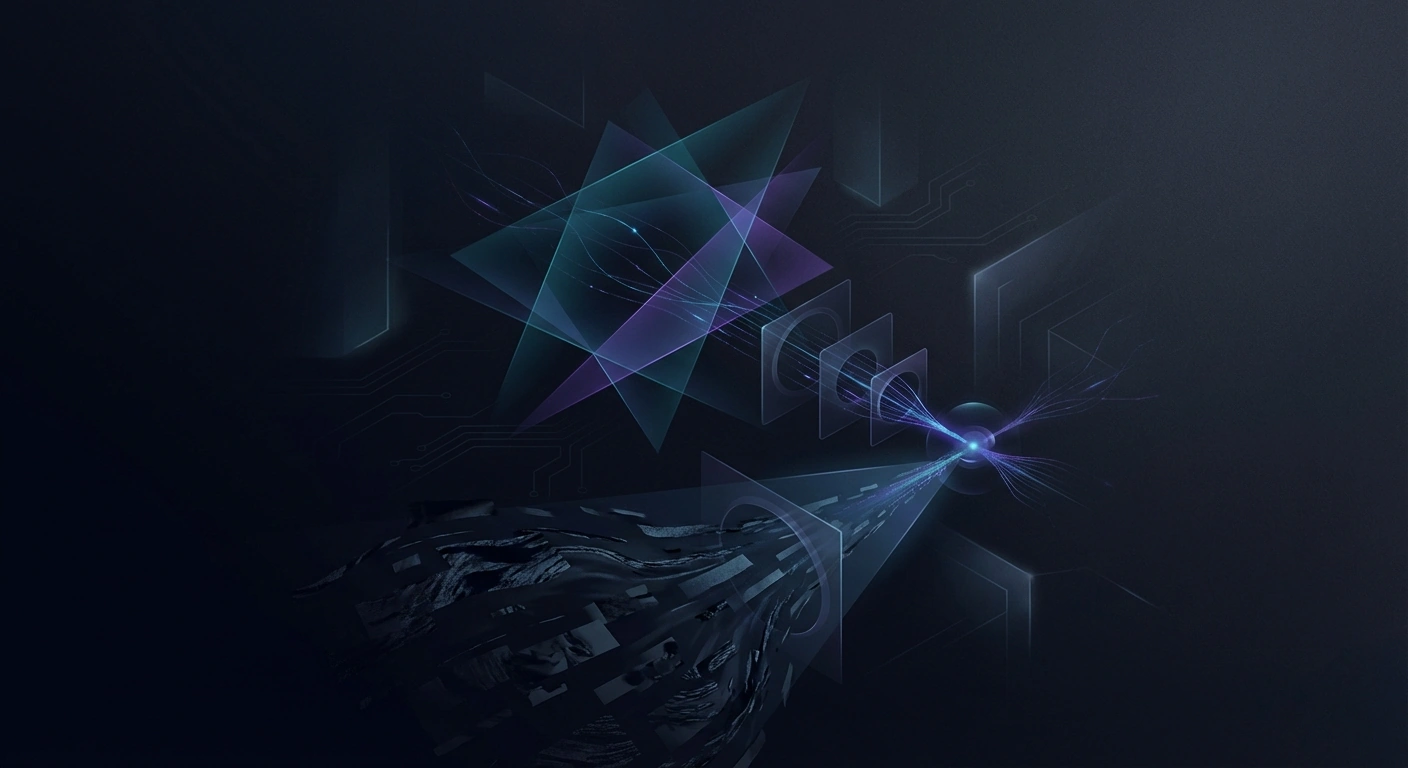
Mechanistic interpretability takes a bottom-up approach to understanding neural networks. Rather than treating a model as a statistical black box and probing it with inputs and outputs, researchers in this field attempt to identify the specific computational circuits — groups of neurons and their connections — that implement particular behaviors.
The approach gained significant traction through work at Anthropic, where researchers have identified interpretable features inside large language models using techniques like sparse autoencoders. These methods decompose a model's internal activations into human-understandable concepts, revealing that individual directions in activation space can correspond to identifiable ideas, objects, or reasoning patterns.
Other research groups, including teams at OpenAI, Google DeepMind, and academic labs, have contributed complementary approaches. Activation patching, causal tracing, and circuit-level analysis have all been used to map how information flows through transformer architectures — the backbone of nearly all modern generative AI systems.
Why This Matters for Synthetic Media
For the synthetic media and digital authenticity community, interpretability research has several critical implications:
Improving Deepfake Detectors: If we can understand what features a detection model actually uses to distinguish real from fake content, we can build more robust classifiers. Current detectors often latch onto superficial artifacts that disappear as generation techniques improve. Mechanistic interpretability could reveal whether a detector has learned genuinely robust forensic features or brittle shortcuts.
Understanding Generative Models: Video and image generation models like diffusion models and GANs contain internal representations of faces, lighting, physics, and motion. Decoding these representations could enable finer control over generation — and also reveal the specific mechanisms that produce telltale artifacts in synthetic content.
Auditing for Bias and Safety: As AI-generated media becomes ubiquitous, understanding how models represent identity, ethnicity, gender, and other sensitive attributes internally is essential for responsible deployment. Interpretability tools can surface problematic learned associations before they manifest in generated outputs.
Technical Challenges Remain Formidable
Despite progress, the field faces significant hurdles. Modern foundation models contain hundreds of billions of parameters, and the combinatorial complexity of their internal circuits defies exhaustive analysis. Sparse autoencoders and similar decomposition methods work well on smaller models or isolated layers but scaling them to full production systems — the kind that power tools like Runway, Pika, or ElevenLabs — remains an active research challenge.
There's also a fundamental question of whether human-interpretable explanations can truly capture the full richness of what these networks compute. Some researchers argue that certain computations in neural networks may be inherently superposition — many features packed into fewer dimensions — making clean decomposition impossible without information loss.
The Race Between Generation and Understanding
The AI industry finds itself in an asymmetric race: generative capabilities are advancing at breakneck speed, while our ability to understand and audit these systems lags behind. Every new video generation model, every voice cloning breakthrough, and every multimodal AI system adds urgency to the interpretability agenda.
For deepfake detection companies like Reality Defender and platforms implementing content authenticity measures, interpretability research isn't just academic — it's a pathway to building detection systems that can keep pace with rapidly evolving generation techniques. Understanding how a detector works, not just that it works, is the difference between a tool that remains effective and one that becomes obsolete with the next model release.
As mechanistic interpretability matures, it promises to transform our relationship with neural networks from one of blind trust to informed oversight — a shift that the synthetic media ecosystem desperately needs.
Stay informed on AI video and digital authenticity. Follow Skrew AI News.