Deepfake Interview Fraud Emerges as Critical Enterprise Risk
Enterprises face a growing threat from deepfake-enabled interview fraud, where bad actors use real-time face swapping and voice cloning to impersonate candidates during remote hiring processes.
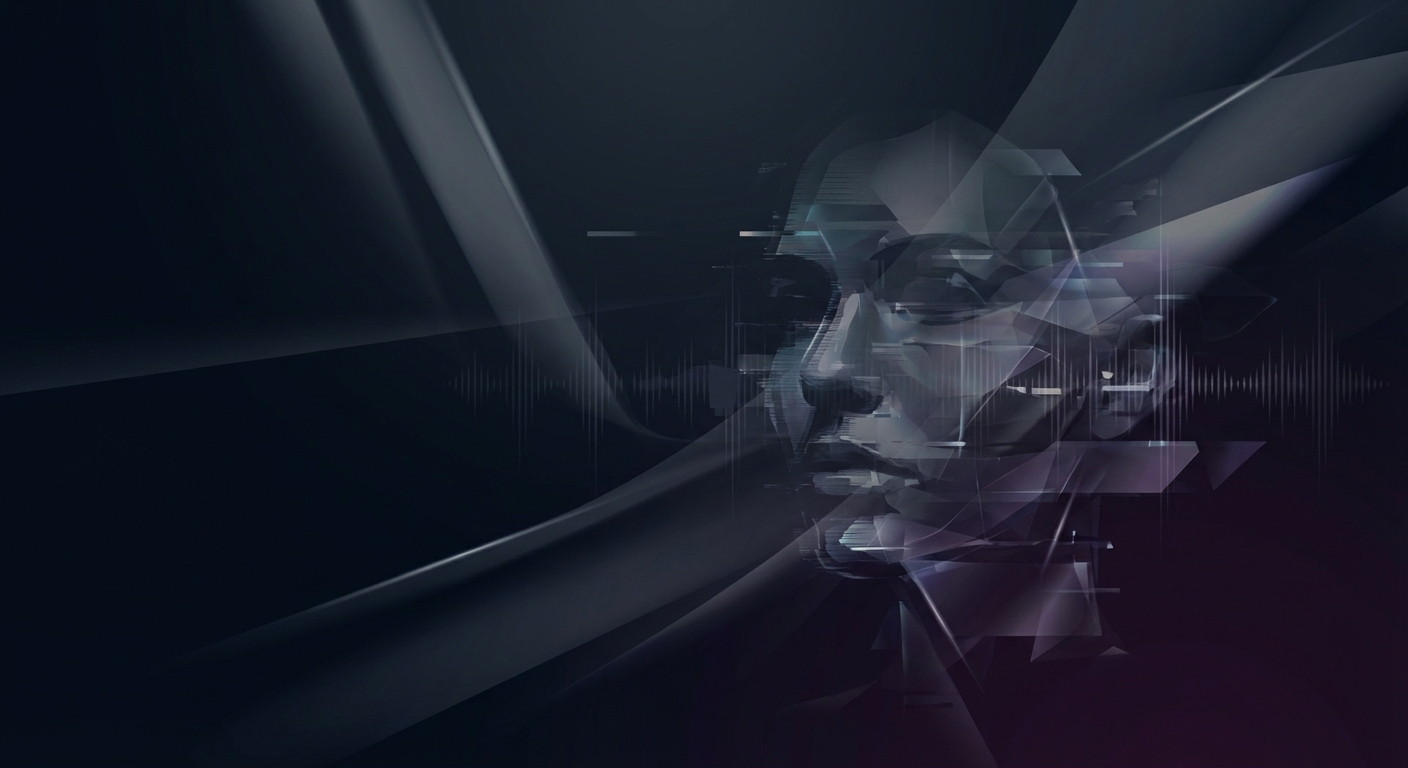
As remote hiring became the norm following the pandemic, a new attack vector emerged that security teams are struggling to address: deepfake-powered interview fraud. Bad actors are now leveraging real-time face swapping, voice cloning, and synthetic media technologies to impersonate candidates during video interviews, creating significant risks for enterprises across industries.
The Anatomy of Deepfake Interview Fraud
Unlike traditional identity fraud, deepfake interview attacks exploit the inherent trust placed in video communication. Attackers use a combination of technologies to create convincing impersonations during live interviews:
Real-time face swapping: Tools like DeepFaceLive and similar open-source projects allow attackers to overlay a different face onto their own during video calls. These systems process each frame in real-time, maintaining facial expressions and lip sync while projecting a completely different identity.
Voice cloning: Services powered by AI voice synthesis can replicate a target's voice from just minutes of audio samples. When combined with face swapping, this creates a compelling synthetic persona that can fool even experienced interviewers.
Identity document manipulation: Attackers often pair their real-time impersonation with fabricated credentials, creating a complete false identity package that can pass background checks if organizations aren't performing rigorous verification.
Why This Threat Is Escalating
Several factors have converged to make deepfake interview fraud increasingly viable. The democratization of synthetic media tools means sophisticated face-swapping technology is now accessible to anyone with a consumer-grade GPU. Platforms that once required significant technical expertise now offer user-friendly interfaces that lower the barrier to entry dramatically.
The prevalence of remote interviews provides the perfect environment for these attacks. Video compression artifacts and typical call quality issues help mask the telltale signs of synthetic manipulation. Interviewers, focused on evaluating candidate responses, aren't trained to detect the subtle visual anomalies that might indicate deepfake usage.
Financial incentives also drive this trend. Fraudsters may seek access to proprietary systems, sensitive data, or simply employment benefits through impersonation. Nation-state actors and organized crime groups have recognized the value of placing operatives inside target organizations through this vector.
Detection Challenges and Technical Countermeasures
Detecting real-time deepfakes during live video calls presents significant technical challenges. Unlike analyzing pre-recorded content, interview scenarios require instant detection with minimal latency. Current approaches being explored include:
Liveness detection: Requiring candidates to perform specific actions—turning their head at particular angles, responding to unexpected visual prompts—can expose limitations in face-swapping algorithms that struggle with extreme poses or rapid movements.
Audio-visual synchronization analysis: AI systems can analyze the correlation between lip movements and speech patterns, flagging inconsistencies that might indicate synthetic manipulation.
Network-level analysis: Some enterprise security platforms are implementing detection at the video stream level, analyzing encoding artifacts and frame-by-frame consistency that might reveal manipulation.
Multi-factor identity verification: Requiring candidates to verify identity through multiple channels before and during interviews adds layers that are harder for attackers to simultaneously compromise.
Enterprise Response Strategies
Organizations are developing multi-layered approaches to combat this emerging threat. Security-conscious enterprises are implementing pre-interview identity verification that includes live video calls with document checks, making it harder to establish a synthetic identity from the outset.
Training hiring managers to recognize deepfake indicators is becoming part of interview protocols. While not foolproof, awareness of common artifacts—such as inconsistent lighting on the face, blurring around facial boundaries, or unnatural eye movements—can prompt additional verification steps.
Some organizations are returning to in-person interviews for sensitive positions, accepting the logistical overhead as necessary risk mitigation. Others are implementing technical solutions that require verified hardware or specific applications that include anti-spoofing measures.
The Broader Implications
Deepfake interview fraud represents just one manifestation of how synthetic media is reshaping the threat landscape for enterprises. As these technologies continue to improve, the arms race between creation and detection will intensify. Organizations that proactively implement detection capabilities and verification processes will be better positioned to identify fraudulent candidates before they gain access to sensitive systems and information.
The emergence of this attack vector also highlights the urgent need for industry standards around identity verification in remote interactions. As video becomes the default medium for professional communication, ensuring the authenticity of participants becomes a fundamental security requirement.
Stay informed on AI video and digital authenticity. Follow Skrew AI News.