YouTube to Let Creators Generate AI Shorts Using Their Own Likene
YouTube CEO Neal Mohan announced creators will be able to generate Shorts featuring their own AI likenesses, bringing synthetic media tools to the platform's massive creator ecosystem.

YouTube is preparing to give creators a powerful new tool: the ability to generate Shorts videos featuring AI-generated versions of themselves. CEO Neal Mohan announced the upcoming feature, which represents one of the most significant integrations of synthetic media technology into a mainstream video platform.
Creator-Controlled AI Likeness Generation
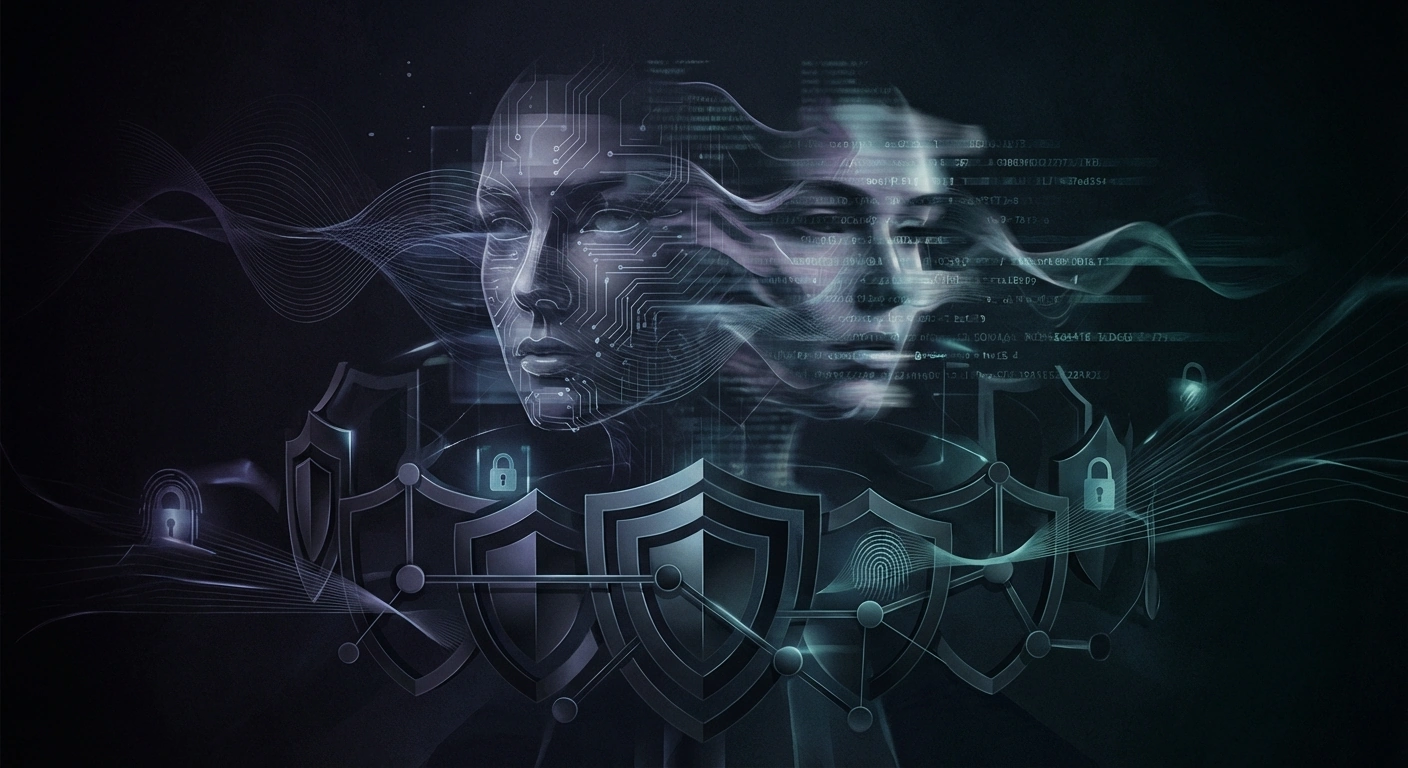
The announcement signals YouTube's strategic move to embrace AI video generation while keeping creators at the center of the content equation. Rather than allowing arbitrary AI-generated content, the platform is specifically enabling creators to generate synthetic versions of their own likenesses—a crucial distinction in the evolving landscape of digital authenticity and consent.
This approach addresses one of the most contentious issues in deepfake technology: consent and ownership. By limiting the AI likeness feature to self-representation, YouTube creates a framework where the person depicted maintains control over how their synthetic version is used. This model could become a template for how platforms responsibly deploy face synthesis technology at scale.
Technical Implications for Synthetic Media
While specific technical details about the underlying system weren't disclosed, implementing AI likeness generation for YouTube's creator base presents substantial engineering challenges. The platform will likely need to develop or integrate:
Identity verification systems that ensure creators can only generate AI versions of themselves, not others. This requires robust facial recognition and identity binding mechanisms to prevent misuse.
High-fidelity face synthesis capable of generating realistic video content that maintains consistency across different generated Shorts. The technology must handle various lighting conditions, angles, and expressions while remaining recognizably tied to the creator's actual appearance.
Watermarking and provenance tracking to distinguish AI-generated Shorts from traditionally recorded content. YouTube has been expanding its synthetic content labeling requirements, and this feature will likely include mandatory disclosure mechanisms.
The Shorts Strategy and Creator Economy
YouTube Shorts has become a critical battleground in the platform's competition with TikTok and Instagram Reels. Adding AI generation capabilities could significantly reduce the friction of content creation, allowing creators to produce more Shorts without the time investment of traditional filming.
For creators, this opens possibilities for generating content at scale—imagine a creator producing localized versions of announcements, generating Shorts while traveling, or maintaining consistent posting schedules without constant recording sessions. The productivity implications for the creator economy are substantial.
However, this also raises questions about authenticity in the creator-viewer relationship. Part of what audiences value in creator content is the sense of genuine human connection. How will viewers respond to content they know was synthetically generated, even if it accurately represents the creator's intended message?
Digital Authenticity Considerations
YouTube's move arrives amid intensifying debate about AI-generated content and digital trust. The platform has already implemented policies requiring disclosure of synthetic or manipulated content, particularly for realistic depictions of people. The AI likeness feature for Shorts will need to integrate seamlessly with these disclosure requirements.
The 2026 timeframe mentioned in the announcement suggests YouTube is taking a deliberate approach to development and testing. Given the sensitivity around synthetic media—particularly deepfakes used for misinformation or fraud—the platform likely wants to ensure robust safeguards before launch.
Key questions remain about how YouTube will prevent the technology from being circumvented. Bad actors have historically found ways to misuse creator tools, and a system capable of generating realistic AI video content presents obvious risks if its controls can be bypassed.
Industry Implications
YouTube's entry into creator-facing AI video generation legitimizes the technology for mainstream content creation. Companies like Synthesia, HeyGen, and others have built businesses around AI avatar video generation, often targeting enterprise and educational use cases. YouTube bringing similar capabilities to its billion-user creator platform could accelerate adoption while also intensifying competition.
For the detection and authenticity sector, this represents both opportunity and challenge. More AI-generated content flowing through major platforms increases demand for detection capabilities, but it also normalizes synthetic media in ways that could make distinguishing authentic from generated content more difficult.
The announcement positions YouTube alongside other platforms exploring AI content creation tools, but with a specific focus on preserving creator agency over their digital identities—a model that may influence how competitors approach similar features.
Stay informed on AI video and digital authenticity. Follow Skrew AI News.