World ID Expands to Authenticate Human Identity Behind AI Agents
Tools for Humanity's World ID system now aims to cryptographically verify the humans operating AI agents, addressing authenticity concerns as autonomous systems proliferate.
As AI agents become increasingly autonomous and capable of acting on behalf of humans across the digital landscape, a fundamental question emerges: how do we know there's a real person behind the machine? Tools for Humanity, the company behind the controversial World ID project, is positioning its cryptographic identity verification system as the answer.
The Agent Authentication Problem
The proliferation of AI agents—autonomous systems that can browse the web, make purchases, send communications, and interact with services on behalf of users—creates unprecedented challenges for digital authenticity. When an AI agent books a restaurant reservation, submits a job application, or engages in online commerce, how can the receiving party verify that a legitimate human authorized these actions?
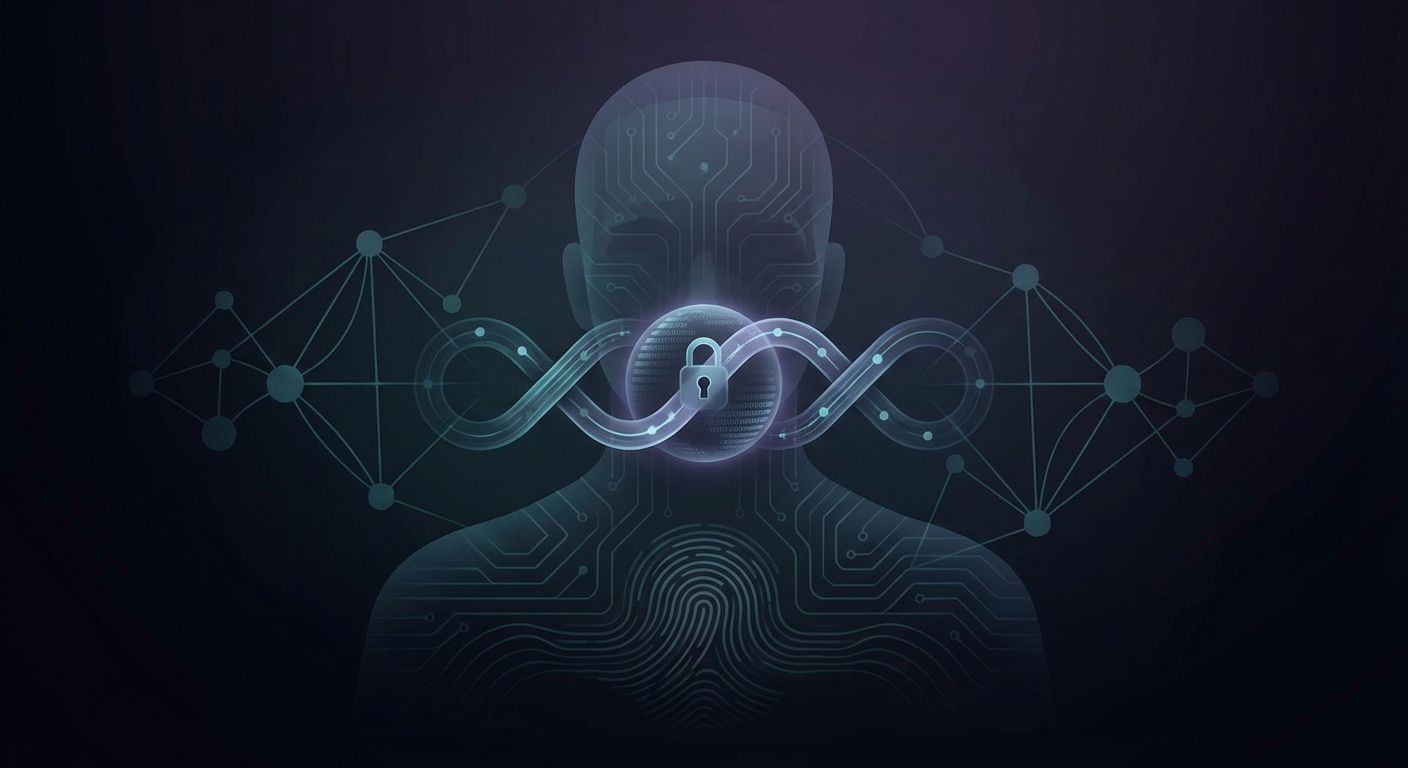
World ID proposes linking AI agents to cryptographically unique human identities, creating an auditable chain of accountability. The system uses biometric verification through Orb devices—specialized hardware that scans users' irises to generate unique cryptographic credentials—to establish that each identity corresponds to exactly one human being.
Technical Architecture for Agent Verification
The approach leverages zero-knowledge proofs, a cryptographic technique that allows one party to prove they possess certain information without revealing the information itself. In the context of AI agents, this means an agent could prove it operates on behalf of a verified human without exposing that person's identity or biometric data.
The verification flow works as follows: a human user registers with World ID, receiving a unique cryptographic credential. When deploying an AI agent, the user can delegate specific permissions to that agent while maintaining the cryptographic link to their verified identity. Services interacting with the agent can then request proof of human backing without accessing personal information.
This architecture addresses several technical challenges simultaneously:
Sybil resistance: Each human can only create one World ID, preventing the creation of bot armies masquerading as verified humans.
Privacy preservation: Zero-knowledge proofs ensure that verification doesn't require exposing identity details or creating trackable patterns across services.
Accountability: While privacy is maintained, the cryptographic chain ensures that malicious agent behavior can theoretically be traced back to a responsible human.
Implications for Synthetic Media and Deepfakes
The intersection with deepfake technology and synthetic media is particularly significant. As AI-generated content becomes indistinguishable from human-created material, proving human authorship or authorization becomes increasingly valuable.
Consider a scenario where AI agents can generate and publish video content, write articles, or create social media posts. Without identity verification infrastructure, distinguishing between content authorized by real people and entirely synthetic operations becomes nearly impossible. World ID's framework could enable content platforms to verify that human oversight exists somewhere in the creation chain.
This doesn't solve the deepfake detection problem directly—a World ID-verified human could still authorize the creation of misleading synthetic media. However, it establishes accountability infrastructure that regulatory frameworks could leverage.
Privacy and Centralization Concerns
World ID's approach remains controversial. Critics argue that biometric-based identity systems, even those using zero-knowledge proofs, create concerning centralization of sensitive data. The Orb devices must collect iris scans, and while the company claims this data is processed locally and deleted, the hardware and verification infrastructure remain under centralized control.
Additionally, the requirement for physical Orb scans creates access barriers. Users in regions without Orb deployment cannot participate, potentially creating a two-tier internet where verified humans receive preferential treatment over unverified users who may simply lack geographic access to verification hardware.
The Broader Authenticity Landscape
World ID enters a growing market of authenticity verification solutions. Content authenticity initiatives like the Coalition for Content Provenance and Authenticity (C2PA) focus on cryptographic signatures for media files, while platforms like Truepic and Adobe's Content Credentials embed verification data directly into images and videos.
World ID's agent authentication represents a complementary approach—rather than verifying content, it verifies the entity creating or authorizing content. The combination of both approaches could create more robust authenticity infrastructure: content signed with C2PA credentials, created by agents backed by World ID verification.
Market Positioning and Adoption
The timing aligns with rapid AI agent deployment across industries. OpenAI, Anthropic, Google, and numerous startups are building agent frameworks, and enterprises are beginning pilot deployments of autonomous AI systems for customer service, research, and administrative tasks.
For World ID, agent verification represents expansion beyond consumer identity into enterprise infrastructure. If major AI agent platforms integrate World ID verification, the system could achieve the network effects necessary for widespread adoption.
The success of this initiative may ultimately depend on whether the digital ecosystem decides that cryptographic proof of human involvement is valuable enough to justify the friction of verification—and whether World ID can address legitimate concerns about biometric data collection and centralization.
Stay informed on AI video and digital authenticity. Follow Skrew AI News.