Synthesia Expands AI Avatars Into Live Coaching
Synthesia, the AI avatar video platform, is moving beyond pre-rendered training videos into interactive live coaching powered by conversational AI avatars, marking a major shift for synthetic media in enterprise learning.
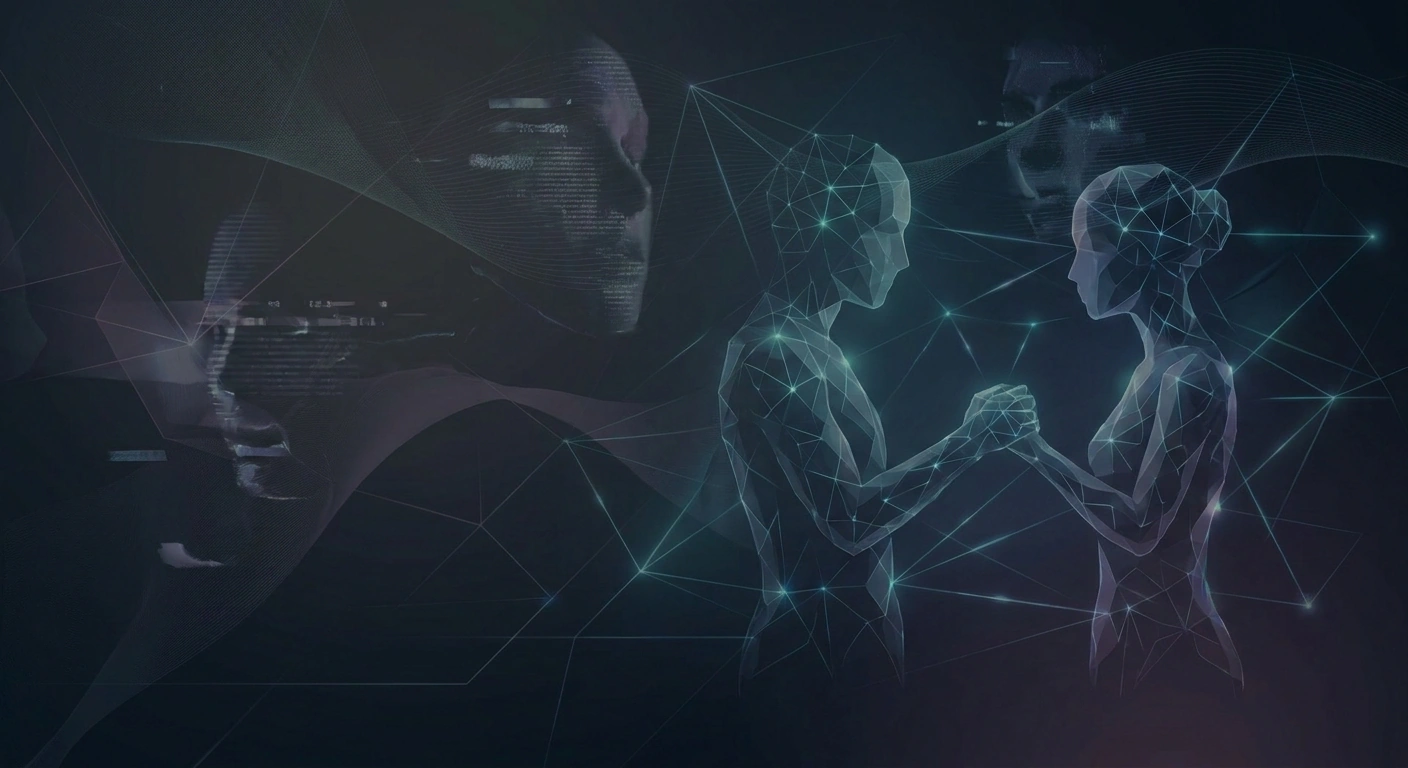
Synthesia, one of the best-known players in AI-generated avatar video, is pushing its platform in a new direction: away from static, pre-rendered training videos and toward interactive, real-time coaching driven by conversational AI avatars. The move signals a significant evolution for synthetic media in the enterprise, transforming digital humans from talking-head presenters into responsive, two-way training agents.
From Rendered Video to Live Interaction
Synthesia built its reputation by letting companies turn text scripts into polished videos featuring lifelike AI avatars — no cameras, actors, or studios required. That capability made it a fixture in corporate learning and development, where organizations churn out onboarding, compliance, and product-training content at scale. The catch has always been that such videos are fundamentally one-directional: a synthetic presenter reads a script, and the learner watches passively.
The expansion into live coaching changes that dynamic. Instead of watching a fixed clip, employees will be able to interact with an AI avatar in real time — asking questions, role-playing scenarios, and receiving contextual feedback. This shift moves Synthesia from a video-production tool into the territory of interactive conversational agents, blending its avatar rendering technology with large language model-driven dialogue.
Why This Matters Technically
Live, interactive avatars are considerably harder to build than pre-rendered videos. A pre-rendered clip can be generated offline, with plenty of compute time to perfect lip-sync, facial expressions, and audio quality. Real-time coaching demands low-latency synthesis: the system must generate speech, animate the avatar's face and mouth movements, and respond to unpredictable user input on the fly. That requires tight integration between speech generation, real-time facial animation, and an LLM reasoning layer capable of handling open-ended conversation.
This is the same technical frontier being pursued across the synthetic media space, where companies are racing to make digital humans conversational rather than scripted. The core challenge is maintaining photorealism and natural timing under real-time constraints — avoiding the uncanny lag and robotic delivery that break immersion. Success here depends on efficient streaming of both audio and visual output, plus a dialogue engine that can stay on-topic and pedagogically useful during a coaching session.
Enterprise Adoption Implications
For corporate learning teams, interactive AI coaching addresses a persistent weakness of e-learning: passivity. Role-play scenarios — practicing a difficult customer conversation, rehearsing a sales pitch, or working through a compliance dilemma — are far more effective when a learner can actually engage in dialogue and receive tailored feedback. Historically, that required human trainers or coaches, an expensive and non-scalable resource.
By positioning AI avatars as always-available coaches, Synthesia is expanding its addressable market beyond content creation into the much larger domain of interactive training and performance support. It also deepens the platform's stickiness: a company that uses Synthesia for both video production and live coaching becomes far more embedded in its learning infrastructure.
The Broader Synthetic Media Trajectory
Synthesia's pivot reflects a wider industry trend. The first wave of AI avatar tools focused on generation — turning text into convincing video. The next wave is about interaction, where synthetic humans become agents you can converse with in real time. This convergence of avatar rendering, voice synthesis, and LLM reasoning is steadily eroding the line between recorded media and live conversation.
That evolution carries authenticity implications worth watching. As real-time conversational avatars become more convincing, the distinction between talking to a human and talking to a synthetic agent grows harder to perceive. Clear disclosure and provenance signaling will matter increasingly in enterprise contexts, where employees deserve to know whether their coach is a person or a generated persona. The same technology that powers benign corporate training also lowers the barrier for real-time impersonation — a dual-use reality that the synthetic media industry continues to grapple with.
For now, Synthesia's move is a notable data point in the maturation of AI avatars: from novelty video generator to interactive digital human. If the company can deliver responsive, low-latency coaching that feels natural, it will validate a business model built not just on producing synthetic media, but on deploying it as a live, conversational presence in the enterprise.
Stay informed on AI video and digital authenticity. Follow Skrew AI News.