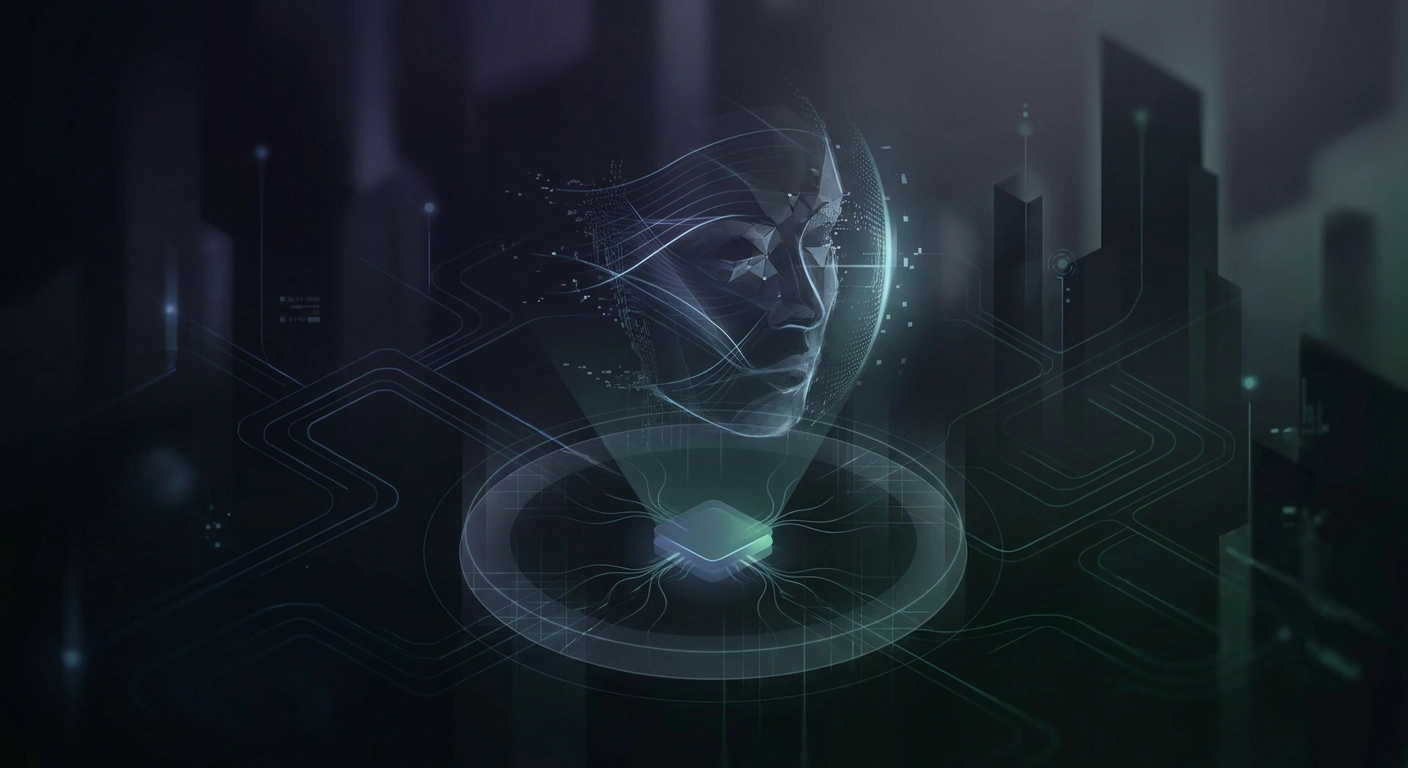
Perplexity Launches Hybrid Local-Cloud AI Inference Router
Perplexity AI unveiled a hybrid inference orchestrator that automatically routes AI tasks between on-device models and cloud servers on personal computers, balancing latency, privacy, and compute cost.
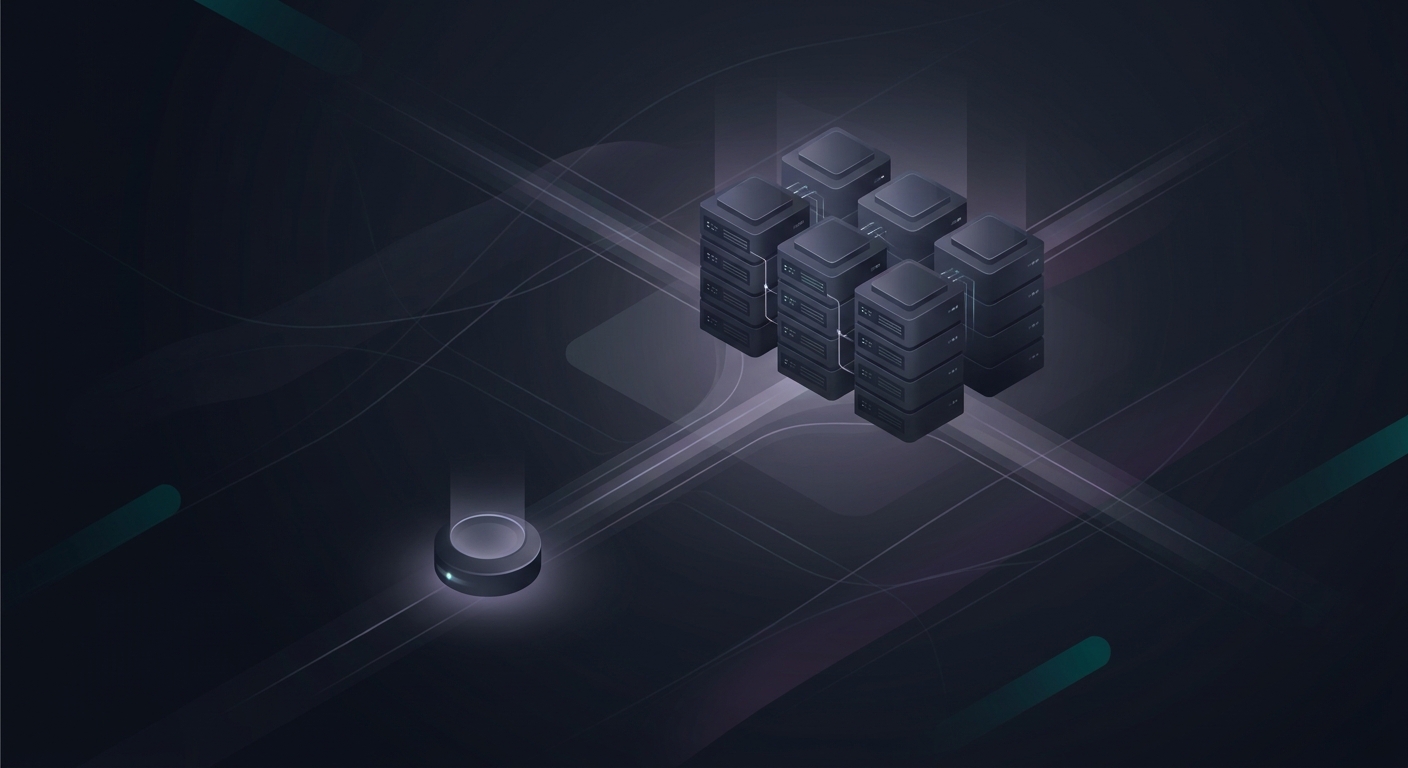
Perplexity AI has unveiled a hybrid local-server inference orchestrator designed for personal computers, introducing a system that automatically decides whether a given AI task should run on the user's local hardware or be offloaded to cloud servers. The move reflects a broader industry pivot toward edge-cloud hybrid architectures, where consumer devices increasingly share inference responsibilities with hyperscale infrastructure.
What the Orchestrator Does
The orchestrator acts as a routing layer between the user's PC and Perplexity's backend services. When a query, generation request, or tool call comes in, it evaluates multiple parameters — model size required, available local accelerator capacity (GPU, NPU, or CPU), memory pressure, network conditions, and user-configured privacy preferences — before deciding the execution path.
If a task can be handled by a smaller on-device model with acceptable quality and latency, it stays local. If the request demands a frontier-scale model, heavy retrieval-augmented generation, or specialized tools, it is routed to Perplexity's cloud. This dynamic dispatch happens transparently to the end user.
Technical Rationale
Hybrid inference addresses several persistent limitations in consumer AI deployments:
- Latency: Local execution avoids round-trip network delays for short, simple queries — particularly valuable for autocomplete, summarization snippets, and UI-assistive tasks.
- Privacy: Sensitive data such as personal files, clipboard contents, or local documents can be processed without leaving the device.
- Cost: Offloading low-complexity tasks to local NPUs reduces server-side GPU spend, an increasingly important factor as inference economics dominate AI company P&Ls.
- Resilience: Limited functionality remains available during connectivity outages.
The orchestrator effectively turns the PC into a tiered inference node, mirroring patterns seen in Apple Intelligence's Private Cloud Compute and Microsoft's Copilot+ PC architecture, but explicitly exposed as a routing mechanism rather than a closed system.
Implications for the AI Stack
For developers and infrastructure observers, Perplexity's approach is significant because it positions the company beyond its core answer engine identity. By controlling the dispatch layer, Perplexity can:
- Run distillations or quantized variants of larger models locally while preserving the brand-consistent output users expect.
- Maintain a uniform API surface even as the underlying compute substrate shifts.
- Aggregate telemetry on which task classes benefit from local vs. cloud execution — valuable data for future model design and routing policies.
This is also a signal that on-device AI is becoming table stakes for consumer-facing AI products. As NPUs from Qualcomm, Intel, AMD, and Apple proliferate, AI companies that fail to harness local silicon risk both higher costs and weaker user experiences relative to competitors who do.
Connections to Synthetic Media and Authenticity
While the announcement focuses on text and search workloads, hybrid orchestration has direct implications for synthetic media. Image generation, voice synthesis, and short-form video models are increasingly distilled to run on consumer hardware. A routing layer that can decide between a local image diffusion model and a more capable cloud generator opens the door to faster creative tools — and, conversely, raises new authenticity questions when generation can happen entirely off-network without server-side logging.
Detection and provenance systems that rely on server-side telemetry to flag synthetic content may need to adapt as more inference moves to the edge. Watermarking standards such as C2PA become more important in a world where AI-generated content can be produced without a verifiable cloud trace.
Strategic Positioning
Perplexity is competing with Google, OpenAI, and Anthropic on assistant experiences, and a hybrid orchestrator differentiates it on cost structure and latency. If the routing layer matures into a developer-facing SDK, it could position Perplexity as infrastructure for other PC-native AI applications, not just its own product.
The broader takeaway: the inference layer is no longer monolithic. Expect more frontier AI providers to ship explicit hybrid stacks, with intelligent routing becoming as competitive a differentiator as model quality itself.
Stay informed on AI video and digital authenticity. Follow Skrew AI News.