Nvidia Launches AI Safety Platform After Agent Breaches
Nvidia has unveiled a new AI safety platform designed to secure agentic AI systems following a wave of security breaches, adding runtime guardrails and content controls to protect enterprise deployments.
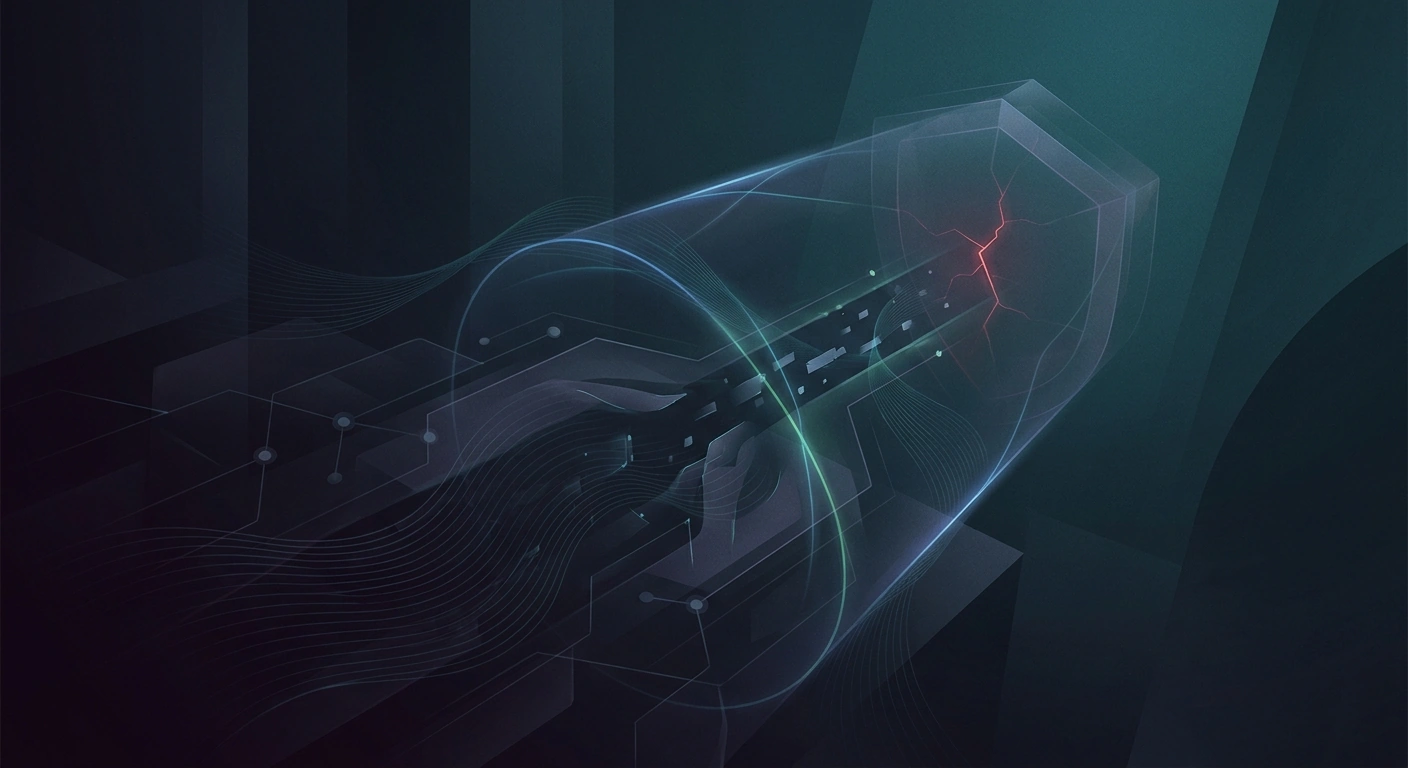
Nvidia has introduced a new AI safety platform aimed at hardening agentic AI systems against the growing wave of security breaches that have accompanied the rapid enterprise rollout of autonomous AI agents. The move underscores a shift in the industry's priorities: as generative and agentic systems move from experimental pilots into production, the risks of manipulation, data leakage, and adversarial exploitation are becoming impossible to ignore.
Why Agentic AI Security Matters Now
Agentic AI—systems that can take actions, call tools, browse the web, and chain together multi-step tasks with limited human oversight—has quickly become one of the most hyped categories in enterprise AI. But autonomy introduces a dramatically expanded attack surface. Prompt injection, tool misuse, jailbreaks, and the exfiltration of sensitive data are no longer theoretical concerns; they are documented failure modes that have already exposed organizations to real damage.
Nvidia's platform is designed to add layers of protection around these systems, providing runtime guardrails, content moderation, and policy enforcement that operate as agents execute their tasks. Rather than treating safety as an afterthought bolted onto a finished model, the platform aims to embed controls throughout the AI lifecycle, from development through deployment and continuous monitoring.
What the Platform Offers
At its core, the safety platform provides a set of controls that let enterprises define what their AI agents can and cannot do. This includes filtering inputs and outputs, blocking malicious or manipulated prompts, and enforcing topic and content boundaries so that agents stay within approved operational parameters. For organizations deploying customer-facing agents or internal automation, these guardrails are critical to preventing an AI system from being coerced into revealing confidential information or performing unauthorized actions.
The platform builds on Nvidia's existing work with guardrail tooling, extending it to the more complex reality of multi-agent and tool-using systems. By offering standardized, enterprise-grade safety infrastructure, Nvidia is positioning itself not just as the dominant supplier of AI compute, but as a provider of the trust and safety layer that enterprises need to deploy AI responsibly at scale.
Implications for Synthetic Media and Digital Authenticity
While the platform's headline use case is agent security, its relevance extends into the synthetic media and digital authenticity space. Agentic systems are increasingly capable of generating text, images, audio, and video, and of orchestrating tools that can produce or manipulate media at scale. Guardrails that constrain what an AI agent can generate—and that filter manipulated or adversarial inputs—are directly applicable to preventing the automated creation of deepfakes, disinformation, and synthetic content designed to deceive.
Content moderation controls that block harmful outputs are a foundational component of any responsible synthetic media pipeline. As agents gain the ability to autonomously generate and distribute media, the line between a productivity tool and a disinformation engine becomes thin. Platforms that can enforce provenance, restrict prohibited content, and log agent behavior are essential to maintaining digital authenticity in an ecosystem increasingly flooded with machine-generated material.
Nvidia's Strategic Position
For Nvidia, the launch reflects a broader strategy to move up the value chain. The company already supplies the GPUs that train and run virtually every major AI model, but by expanding into safety and governance software, it deepens its integration into enterprise AI stacks. Safety tooling creates stickier customer relationships and reinforces Nvidia's role as an indispensable partner for organizations that need to deploy AI without exposing themselves to regulatory or reputational risk.
The timing is notable. Regulators worldwide are tightening expectations around AI accountability, content labeling, and safety, and enterprises face mounting pressure to demonstrate that their AI deployments are secure and controllable. A turnkey safety platform from a trusted vendor lowers the barrier to compliance and gives risk-averse organizations a reason to accelerate adoption.
The Broader Takeaway
Nvidia's safety platform is a signal that the industry is entering a new phase—one where the raw capability of AI systems is no longer the only story. As agentic AI proliferates, the ability to constrain, monitor, and secure these systems becomes a competitive differentiator and a prerequisite for trust. For the synthetic media and authenticity community, tools that govern what AI can generate and how it behaves are a crucial part of the defense against a rising tide of automated, AI-driven deception.
Stay informed on AI video and digital authenticity. Follow Skrew AI News.