Michael Caine Lends Voice to York Deepfake Research
Sir Michael Caine has lent his iconic voice to a University of York research project probing voice cloning and deepfake audio, helping scientists understand how synthetic speech is perceived and detected.
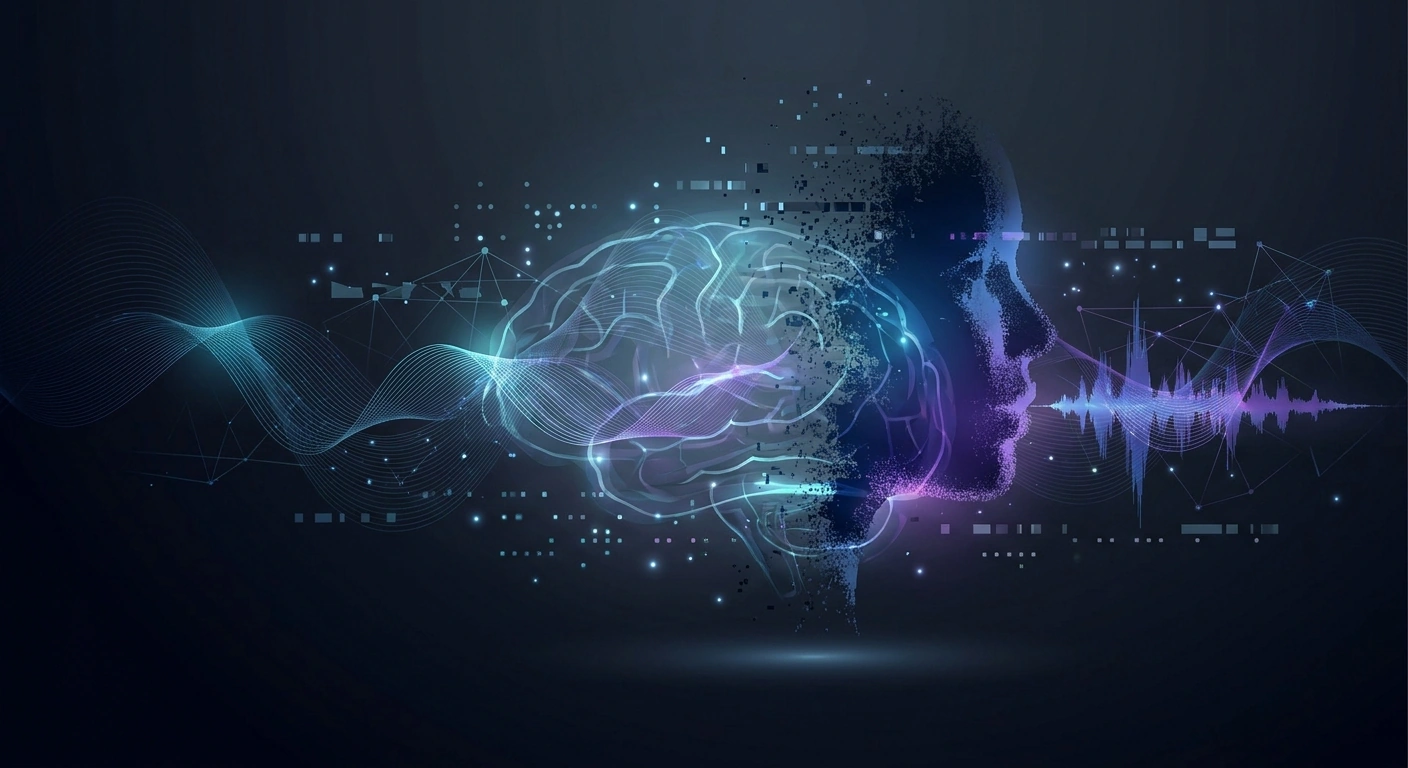
Sir Michael Caine, one of Britain's most recognisable actors, has lent his distinctive voice to a research initiative at the University of York's Department of Language and Linguistic Science. The project examines how synthetic and cloned voices are perceived, produced, and ultimately detected — a growing area of concern as voice deepfake technology becomes cheaper, faster, and alarmingly convincing.
The collaboration underscores a shift in how academic institutions are approaching the problem of synthetic media. Rather than relying solely on scraped datasets or anonymous voice samples, researchers are increasingly working with well-known voices whose acoustic signatures are both instantly recognisable to listeners and richly documented across decades of film and broadcast material. Caine's voice — with its unmistakable cadence and accent — provides an ideal test case for studying the boundaries between authentic human speech and its machine-generated imitations.
Why Voice Cloning Is a Growing Threat
Modern voice cloning systems can reproduce a person's speech from just seconds of reference audio. Neural text-to-speech models such as those built on transformer architectures and diffusion-based vocoders have collapsed the barrier to entry: what once required hours of studio recordings and expert engineering can now be achieved with consumer-grade tools and a short clip pulled from social media.
This has real-world consequences. Fraudsters have used cloned voices to impersonate executives in so-called "CEO fraud" schemes, and cloned relatives' voices in emergency-scam phone calls. High-profile figures — actors, politicians, and broadcasters — are especially vulnerable because ample training material exists in the public domain. A voice as familiar as Michael Caine's is precisely the kind of target that bad actors might seek to replicate.
What the York Research Aims to Uncover
The University of York has a strong track record in phonetics and forensic speech science. Its researchers study the acoustic and articulatory features that make each voice unique — pitch contours, formant frequencies, voice quality, and idiosyncratic timing patterns. By comparing genuine recordings of a known voice against synthetic reconstructions, the team can pinpoint which features current cloning systems capture accurately and which they still fail to reproduce.
These subtle failures are the front line of deepfake audio detection. Even the most advanced synthetic voices tend to leave artefacts: unnatural spectral smoothing, inconsistent breathing patterns, or a lack of the micro-variations that characterise natural human speech. Understanding exactly where synthetic voices diverge from real ones is essential both for building automated detection systems and for training human listeners to spot fakes.
Involving a celebrity voice also allows researchers to study perception at scale. How readily can ordinary listeners distinguish real Caine from cloned Caine? Does familiarity with a voice make people better — or worse — at detecting fakes? These questions have direct implications for public awareness campaigns and for the design of authenticity-verification tools.
The Broader Authenticity Challenge
Voice is arguably the hardest modality of synthetic media to authenticate. Unlike video or images, audio carries fewer contextual cues and can be transmitted through low-bandwidth channels like phone calls, where compression masks the very artefacts detection systems rely on. This makes robust research into perceptual and acoustic markers all the more valuable.
Efforts to combat audio deepfakes are advancing on multiple fronts: watermarking systems that embed inaudible signals into synthetic speech, classifier models trained to flag generated audio, and provenance standards like C2PA that aim to certify the origin of media. Academic research such as York's feeds directly into these initiatives by clarifying what distinguishes genuine speech from its synthetic counterpart at a fundamental level.
A Cultural and Technical Milestone
Caine's participation brings public attention to a technical field that often struggles to communicate its urgency. When a beloved actor voluntarily contributes his voice to help scientists fight the misuse of voice cloning, it sends a clear signal: synthetic media is not a niche concern but a mainstream issue touching identity, consent, and trust.
As voice cloning tools continue to proliferate, partnerships between universities, public figures, and technologists will be crucial in developing both the detection methods and the public literacy needed to navigate an era where hearing is no longer believing. The York project is a modest but meaningful step in that direction — and a reminder that defending digital authenticity increasingly depends on understanding the very human features that machines still cannot perfectly reproduce.
Stay informed on AI video and digital authenticity. Follow Skrew AI News.