Not Even Sam Altman Is Safe From Instagram Deepfakes
AI-generated deepfake videos of Sam Altman and Meta's Alexandr Wang are circulating freely on Instagram, exposing how poorly major platforms police synthetic media of even their own tech elite.
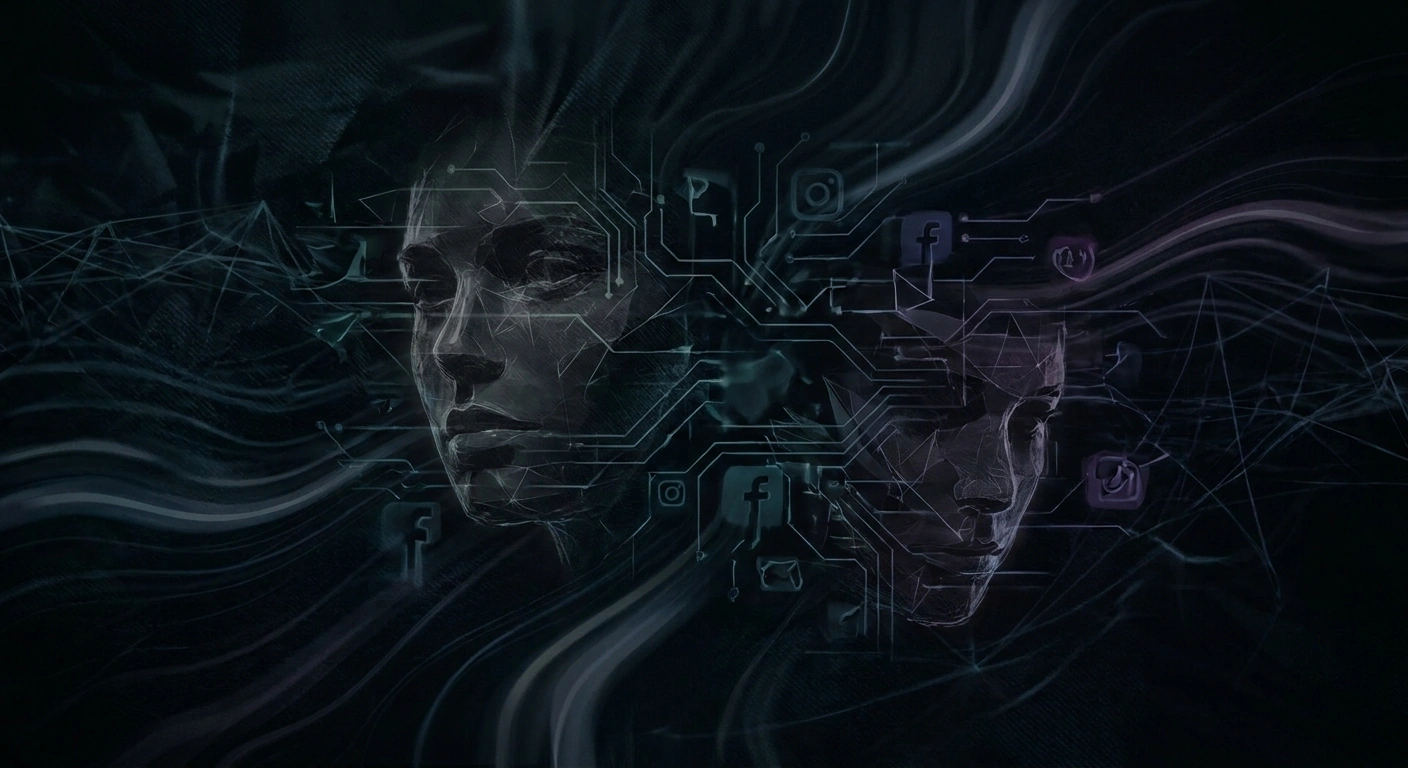
If anyone should be protected from AI-generated impersonation, you'd think it would be the executives building the very technology behind it. Yet according to a new report from The Verge, deepfake videos of OpenAI CEO Sam Altman and Meta's own chief AI officer Alexandr Wang are circulating freely across Instagram — a stark illustration of how little progress platforms have made in policing synthetic media.
When the Deepfakers Come for Their Own
The irony is hard to miss. Alexandr Wang, who joined Meta to lead its Superintelligence Labs after the company's multibillion-dollar investment in Scale AI, is now himself the subject of AI-generated fakes on the very platform his employer operates. Sam Altman, whose company OpenAI is at the forefront of generative AI, is likewise being cloned and remixed into videos designed to deceive viewers — often in service of crypto scams, fake endorsements, or clickbait engagement farming.
These aren't sophisticated, hard-to-find clips buried in the dark corners of the internet. They are surfacing in Instagram's recommendation and advertising ecosystems, reaching real users who may not recognize the content as synthetic. The fact that even high-profile tech figures with legal teams and public visibility cannot keep their likenesses off the platform speaks volumes about the scale of the problem for ordinary people.
The Technical Reality Behind the Fakes
The deepfakes in question rely on increasingly commoditized tools. Modern face-swapping and lip-sync models can generate convincing talking-head videos from a handful of reference images and a target audio script. Voice cloning systems — many available as consumer apps or open-source projects — can replicate a recognizable voice from just seconds of sample audio. Combined, these pipelines let a bad actor produce a fake "Sam Altman endorses this crypto token" video in minutes.
What makes these videos effective isn't flawless realism — many still carry telltale artifacts in blinking, lip alignment, and audio prosody. Instead, their power lies in context and distribution. A low-resolution clip embedded in an ad, framed with urgency and a familiar face, bypasses the critical scrutiny that a side-by-side comparison would trigger. Platforms' recommendation algorithms then amplify whatever drives engagement, synthetic or not.
Meta's Enforcement Gap
Meta has publicly committed to labeling AI-generated content and has rolled out "AI Info" tags on some media. But the enforcement clearly isn't keeping pace. Detection at scale is genuinely difficult: watermarking standards like C2PA and SynthID only work when the generating tool cooperates, and most malicious actors use tools that strip or never embed provenance data. That leaves platforms reliant on post-hoc detection classifiers, user reports, and manual review — all of which lag behind the volume of uploads.
The situation underscores a structural weakness in how synthetic media is governed. Watermarking and provenance standards assume good-faith participation from generation tools. Adversarial deepfakes, by definition, do not participate. The burden then falls on detection systems that must identify fakes with no embedded signal, across compressed, re-encoded, and re-uploaded content that degrades the very artifacts detectors look for.
Why This Matters Beyond the Executives
The Altman and Wang deepfakes are newsworthy precisely because of who they target, but the broader implication is more troubling. If Meta cannot — or will not — swiftly remove impersonations of globally recognized figures, the recourse available to private individuals, small businesses, and public figures without legal muscle is effectively nonexistent. Non-consensual deepfakes, celebrity scam ads, and fabricated endorsements have become a persistent tax on digital trust.
Regulators are beginning to respond. The EU AI Act mandates disclosure of AI-generated content, and several US states have passed laws targeting deepfakes in elections and non-consensual imagery. But enforcement depends on platforms building detection and takedown infrastructure that actually scales — something this latest episode suggests is still aspirational.
For now, the lesson is a sobering one for the synthetic media era: if the architects of modern AI cannot protect their own faces from being cloned on mainstream social platforms, the rest of us are even more exposed. The tools to generate convincing fakes have outpaced the tools — and the will — to contain them.
Stay informed on AI video and digital authenticity. Follow Skrew AI News.