Deepfake Cyberattacks Exploit Trust, Bypass Defenses
Info-Tech Research Group finds deepfake-powered cyberattacks increasingly exploit human trust to circumvent traditional security systems, urging organizations to rethink defense strategies.
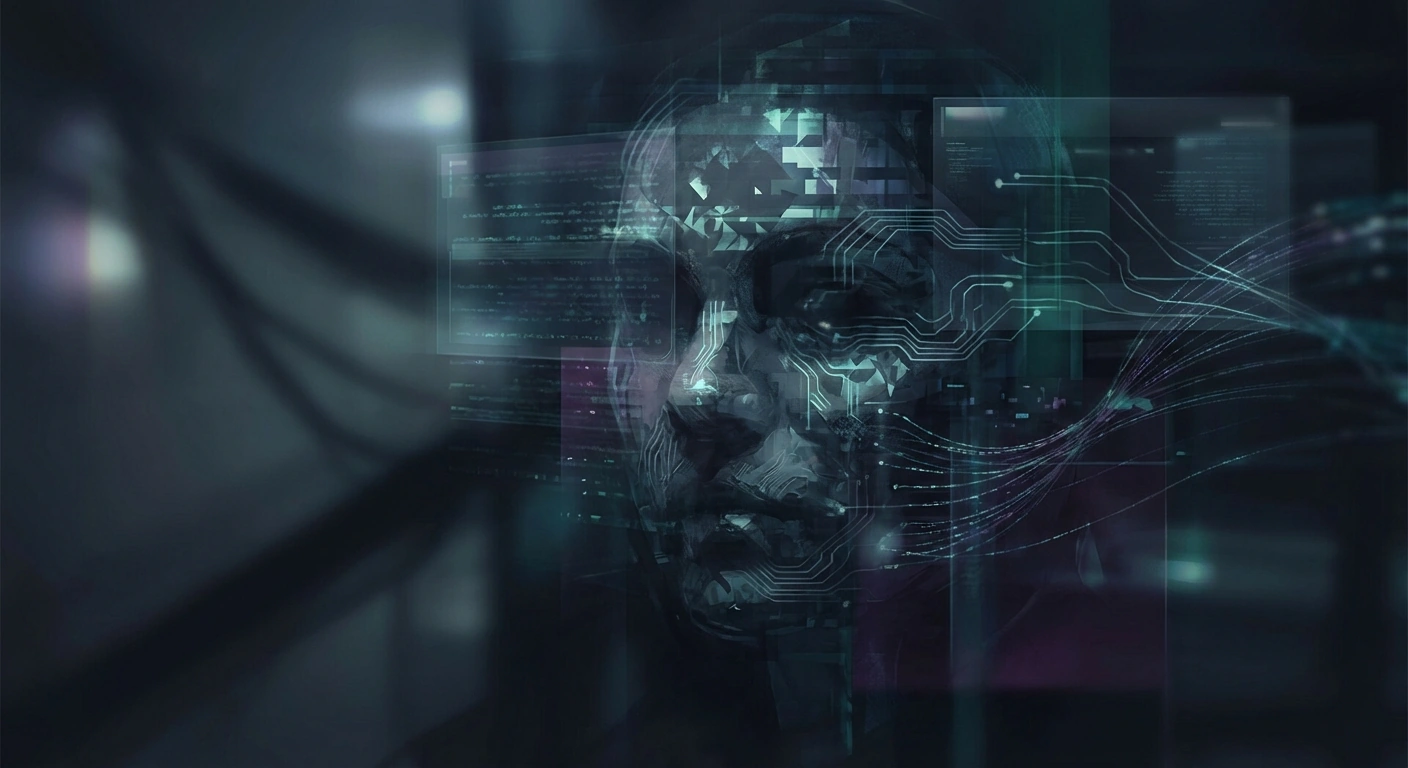
A new report from Info-Tech Research Group highlights a growing and alarming trend in cybersecurity: deepfake-powered attacks are increasingly exploiting human trust to bypass traditional defense mechanisms. The findings underscore the urgent need for organizations to evolve their security postures as synthetic media threats become more sophisticated and pervasive.
The Trust Vulnerability
At the core of the research group's findings is a deceptively simple observation — traditional cybersecurity defenses were designed to stop technical intrusions, not to question whether the person on the other end of a video call or voice message is real. Deepfake technology has turned human trust itself into a critical attack vector, and most organizations remain woefully unprepared.
Unlike conventional phishing or malware campaigns that target software vulnerabilities, deepfake attacks weaponize the most fundamental element of business communication: the belief that you are interacting with a real, known person. When a CFO receives a video call from what appears to be the CEO requesting an urgent wire transfer, or when an IT administrator hears the voice of a colleague requesting credential resets, traditional firewalls, endpoint detection, and email filters offer zero protection.
How Deepfake Attacks Are Evolving
The sophistication of deepfake generation has accelerated dramatically. Modern AI systems can produce convincing face swaps in real-time video calls, generate voice clones from just seconds of audio samples, and create synthetic video messages that are nearly indistinguishable from genuine footage to the untrained eye.
The attack surface is expanding across multiple vectors:
Real-time video impersonation: Attackers use face-swapping models during live video conferences to impersonate executives or trusted partners. These attacks are particularly dangerous because they exploit the implicit trust placed in visual confirmation of identity.
Voice cloning for social engineering: With voice synthesis tools now capable of producing highly realistic speech from minimal training data, attackers can impersonate specific individuals in phone calls — often targeting financial departments with urgent requests.
Synthetic media in business email compromise: Beyond text-based phishing, attackers now attach deepfake audio or video messages to emails to lend credibility to fraudulent requests, dramatically increasing the success rate of social engineering campaigns.
Why Traditional Defenses Fail
Info-Tech's research emphasizes that conventional security frameworks were not architected to handle identity spoofing at this level of fidelity. Multi-factor authentication verifies device possession, not biometric authenticity. Email security gateways scan for malicious attachments and links, not for whether an embedded video is synthetically generated. Security awareness training teaches employees to spot typos and suspicious URLs — not to question whether a colleague's face on a Zoom call is real.
This represents a fundamental paradigm shift in threat modeling. The attack is not against the system — it is against the human operator's perception of reality.
Rethinking Defense Strategies
The research group's findings point toward several critical adjustments organizations must make:
Deepfake detection tools: Organizations need to integrate AI-powered detection systems that can analyze video and audio streams for artifacts of synthetic generation. These tools use techniques such as frequency analysis, temporal inconsistency detection, and neural network-based classifiers to flag potentially manipulated media.
Out-of-band verification protocols: For high-value transactions and sensitive requests, organizations should implement verification through a separate communication channel. If a request comes via video call, confirm it via a different medium with a known contact number.
Updated security awareness training: Employee education must evolve to include deepfake awareness — teaching staff to recognize subtle visual and audio anomalies and to maintain healthy skepticism even when communication appears to come from trusted sources.
Identity authentication layers: Emerging solutions that combine liveness detection, cryptographic identity verification, and content provenance standards (such as the C2PA framework) can help establish whether media is authentic at the point of creation.
A Growing Industry Challenge
These findings align with a broader wave of research signaling the deepfake threat's escalation. Recent studies have found that only 7% of organizations feel fully prepared for deepfake fraud, while detection technology deployments remain in early stages globally. The gap between the speed of deepfake generation advancement and organizational readiness continues to widen.
As synthetic media tools become more accessible and the quality of generated content improves, the cybersecurity industry faces a reckoning: defenses must evolve from protecting against code-level exploits to protecting against perception-level exploits. Info-Tech's report serves as a timely call to action for enterprises to treat deepfake threats not as a niche curiosity but as a frontline cybersecurity concern.
Stay informed on AI video and digital authenticity. Follow Skrew AI News.