Building Secure Sandboxes for AI Agents: A Technical Guide
Learn how to isolate AI agent code execution with secure sandbox environments. This guide covers containerization, permission models, and safety patterns for autonomous AI systems.
As AI agents become increasingly capable of autonomous action—writing code, executing commands, and interacting with external systems—the security implications have never been more critical. A poorly isolated AI agent can wreak havoc on systems, expose sensitive data, or become a vector for attacks. Building a secure sandbox is no longer optional; it's essential infrastructure for any serious AI deployment.
Why Sandboxing Matters for AI Agents
Modern AI agents, particularly those built on large language models, possess remarkable capabilities to generate and execute code, make API calls, and manipulate files. While these abilities make agents incredibly useful, they also introduce substantial risk. An agent that can execute arbitrary code can potentially access sensitive files, make network requests to malicious endpoints, or consume excessive computational resources.
The core principle of sandboxing is isolation—creating a controlled environment where the agent's actions are contained and cannot affect the broader system. This involves restricting file system access, limiting network capabilities, controlling resource consumption, and preventing privilege escalation.
Architecture of a Secure Agent Sandbox
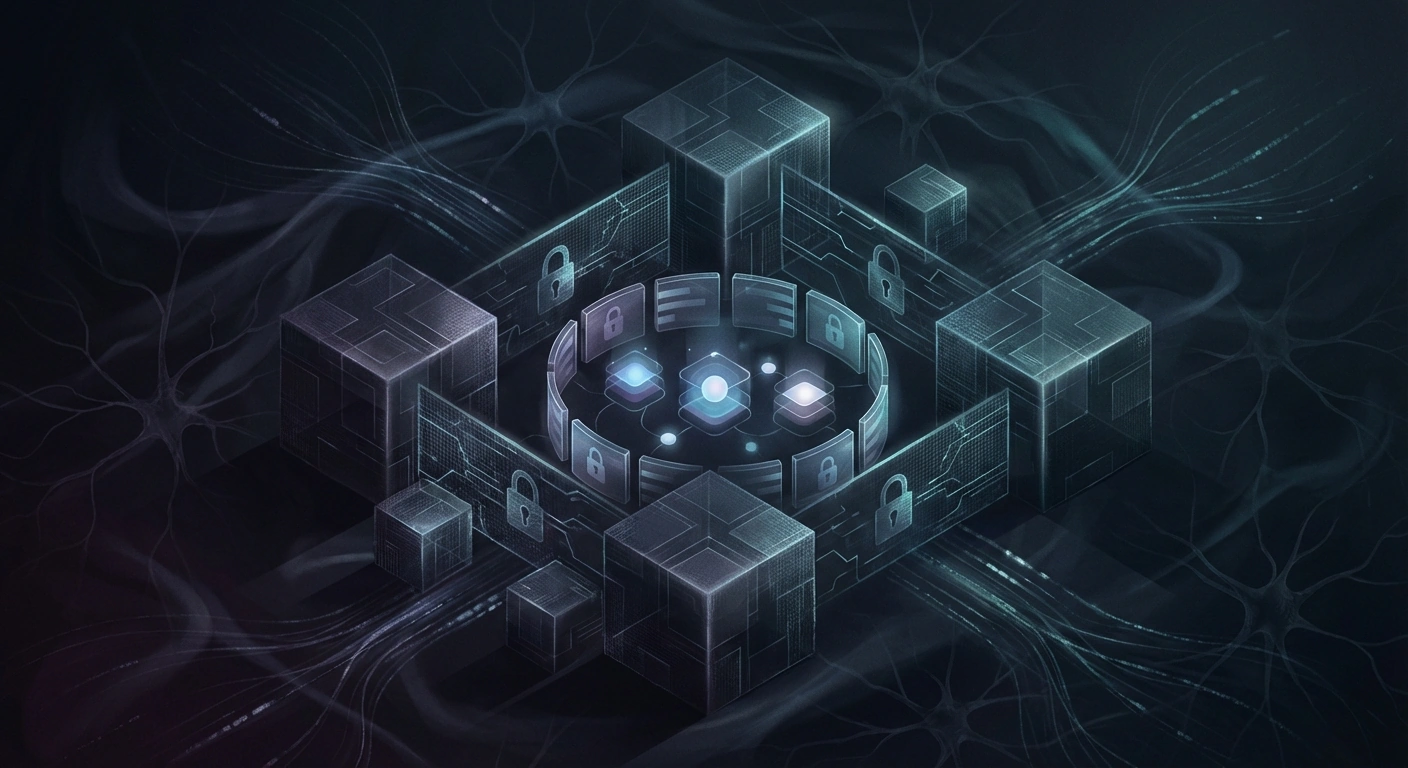
A robust sandbox architecture typically consists of multiple layers of defense. The first layer involves containerization, using technologies like Docker or more specialized solutions like gVisor or Firecracker. These provide process-level isolation, ensuring that even if an agent's code behaves maliciously, it cannot escape its designated environment.
The second layer implements permission boundaries. This means explicitly defining what the agent can and cannot do. Rather than giving broad access and trying to block specific actions, secure sandboxes operate on a whitelist model—only explicitly permitted actions are allowed, everything else is denied by default.
Resource Limitations
Computational resource management forms another critical component. Without proper limits, an agent could consume all available CPU, memory, or disk space—either accidentally through inefficient code or intentionally as part of a denial-of-service pattern. Implementing cgroups (control groups) on Linux systems allows fine-grained control over:
CPU quotas: Limiting the percentage of CPU time available to the sandbox. Memory limits: Hard caps on RAM usage that trigger termination if exceeded. I/O throttling: Controlling read/write speeds to prevent disk exhaustion. Process limits: Restricting the number of processes that can spawn within the sandbox.
Network Security Considerations
Network access presents particular challenges for AI agent sandboxes. Agents often need to make legitimate API calls—to fetch data, communicate with services, or access tools. However, unrestricted network access could allow data exfiltration or communication with command-and-control servers.
Effective network sandboxing employs egress filtering, maintaining an allowlist of permitted domains and IP addresses. This can be implemented through iptables rules, network namespaces, or dedicated proxy servers that inspect and filter outbound traffic. Some implementations use DNS-based filtering to prevent resolution of unauthorized domains entirely.
Filesystem Isolation
The filesystem represents another attack surface. Agents should operate within a carefully constructed filesystem view that includes only necessary dependencies and explicitly permitted data. Techniques include:
Read-only root filesystems: Preventing modification of system files. Temporary working directories: Providing writable space that's destroyed after execution. Bind mounts: Selectively exposing specific directories with controlled permissions. Overlay filesystems: Allowing apparent writes that don't persist to the underlying system.
Implementation Patterns
Several architectural patterns have emerged for implementing agent sandboxes. The ephemeral container pattern creates a fresh, isolated container for each agent task, destroying it immediately upon completion. This ensures no state persists between executions and limits the impact of any compromise.
The broker pattern interposes a trusted intermediary between the agent and external resources. Rather than allowing direct network access, the agent makes requests to a broker service that validates, filters, and executes them on the agent's behalf. This provides a chokepoint for security enforcement and logging.
For agents that require persistent state, the secure enclave pattern maintains a long-running sandbox with careful state management. This requires more sophisticated monitoring but allows for complex, stateful workflows.
Implications for AI Content Generation
These sandboxing principles extend directly to AI systems generating video, audio, and synthetic media. As generation tools become more autonomous—chaining together multiple models, executing post-processing scripts, and managing rendering pipelines—the same isolation requirements apply. A compromised video generation agent could potentially embed malicious payloads in output files or access training data it shouldn't.
Organizations deploying AI content generation at scale must consider these security boundaries as fundamental infrastructure, not afterthoughts. The techniques developed for general AI agent sandboxing provide a foundation for securing the increasingly complex pipelines behind synthetic media creation.
Stay informed on AI video and digital authenticity. Follow Skrew AI News.