Blockchain as a Deepfake Countermeasure: The Case for Digital Tru
As deepfakes grow more convincing, blockchain-based content provenance and verification systems are emerging as a critical layer of digital trust infrastructure.
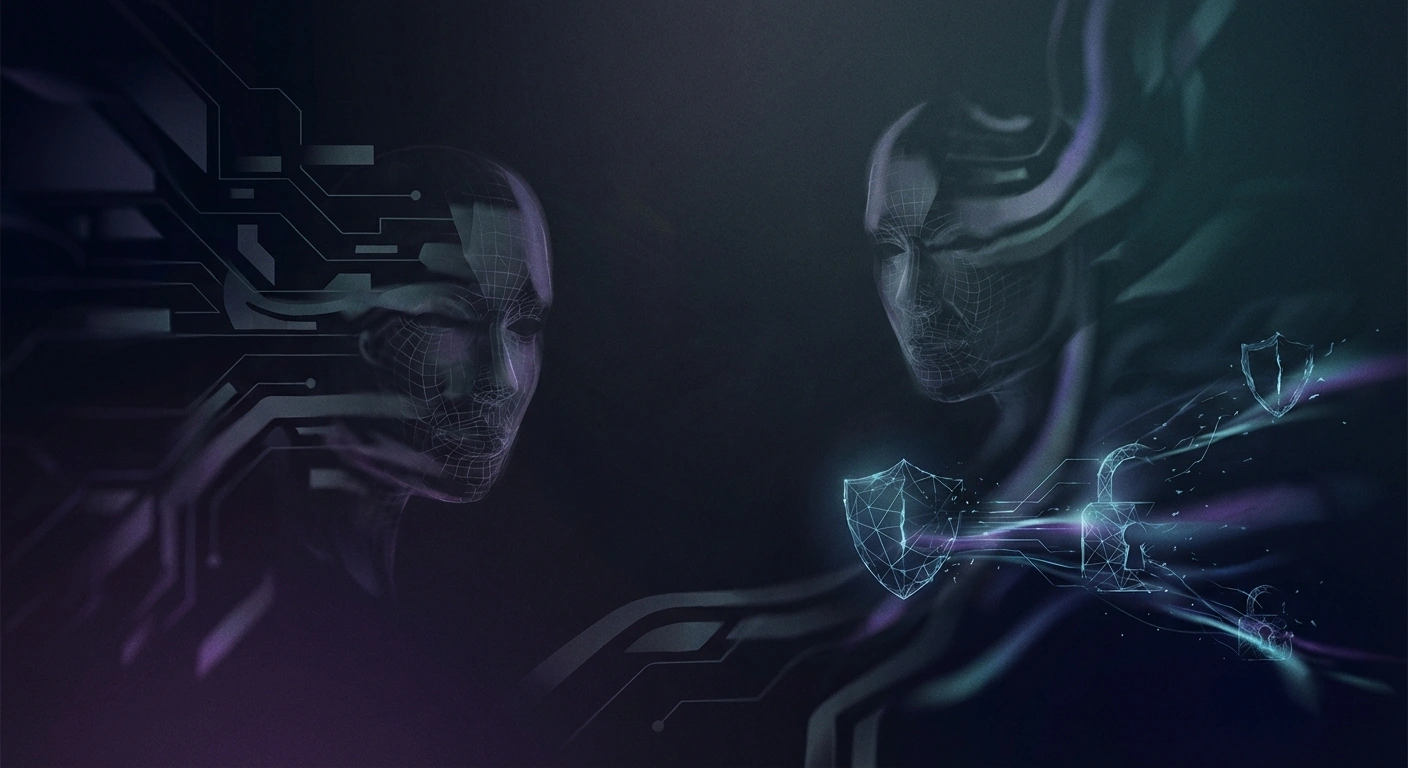
The proliferation of AI-generated synthetic media — from face-swapped videos to cloned voices — has created what many researchers call the "deepfake paradox." The same generative AI technologies that unlock extraordinary creative possibilities simultaneously erode the foundations of digital trust. As detection tools struggle to keep pace with ever-improving generation models, a growing number of technologists and policymakers are turning to blockchain as a structural solution for content authenticity.
The Deepfake Problem Outpaces Detection
Modern deepfake generation has reached a point where even trained analysts struggle to distinguish synthetic media from authentic content. Tools built on diffusion models and generative adversarial networks (GANs) can produce photorealistic video, seamless face swaps, and near-perfect voice clones in minutes. Detection models — typically convolutional neural networks or transformer-based classifiers trained on artifact patterns — face an asymmetric battle: every improvement in detection feeds back into the next generation of more convincing fakes.
This arms race has prompted a fundamental rethinking of the problem. Rather than asking "Is this content fake?", a new generation of solutions asks "Can this content prove it's real?" This shift from detection to provenance is where blockchain technology enters the picture.
How Blockchain Enables Content Provenance
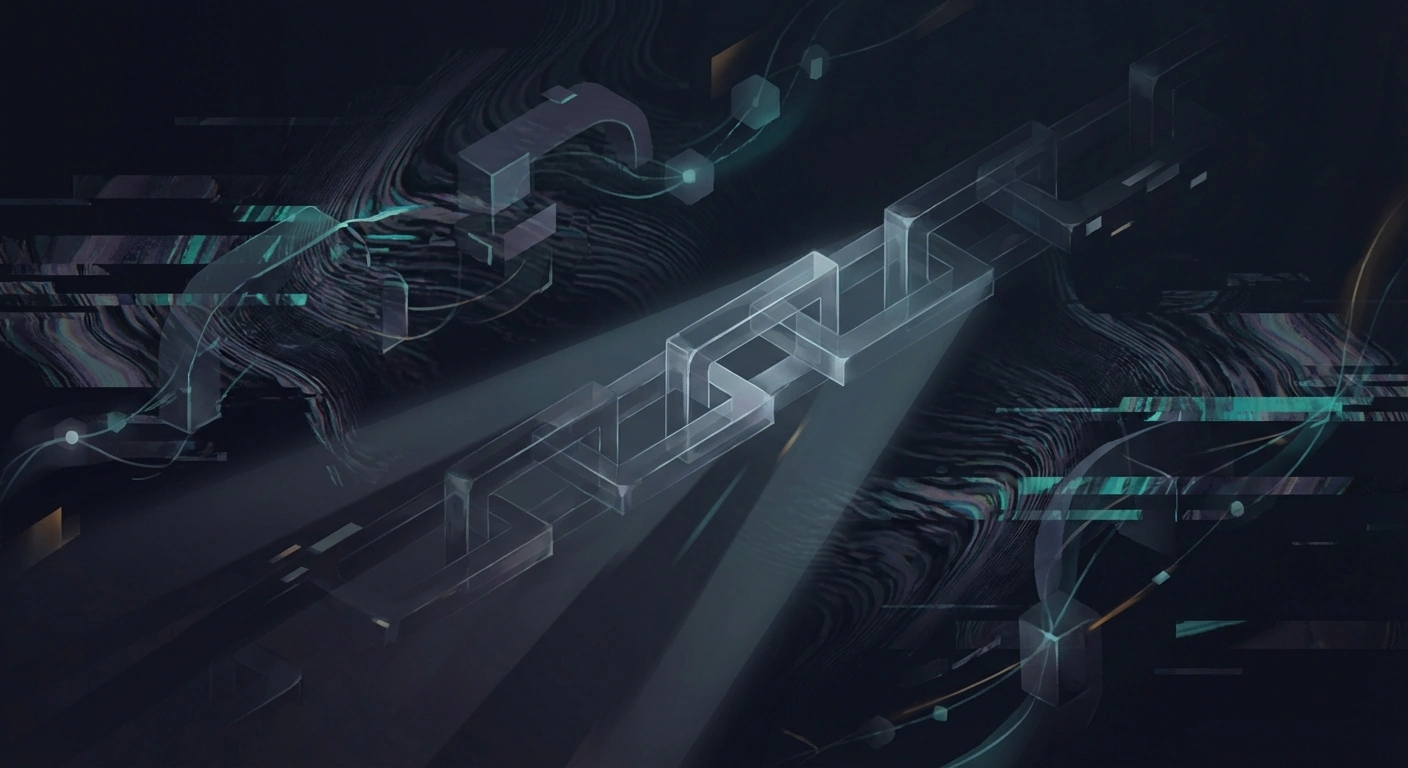
At its core, blockchain provides an immutable, decentralized ledger — a tamper-proof record of transactions that no single entity controls. Applied to digital media, this means that the moment a photo is captured, a video is recorded, or an audio clip is produced, a cryptographic hash of that content can be written to a blockchain. Any subsequent modification — no matter how subtle — would change the hash, instantly flagging the content as altered.
Several technical approaches are emerging in this space:
Capture-Time Attestation
Hardware-level solutions embed cryptographic signatures at the moment of capture. Camera sensors or microphone arrays sign the raw data with device-specific keys, and that signature is immediately anchored to a blockchain. Projects like OpenOrigins and standards from the Coalition for Content Provenance and Authenticity (C2PA) are building frameworks that make this practical at scale. The result is a chain of custody that begins at the sensor and extends through every edit, export, and publication.
Decentralized Identity for Creators
Blockchain-based decentralized identifiers (DIDs) allow content creators to cryptographically bind their identity to their work. Unlike centralized platforms that can be compromised or manipulated, DIDs are self-sovereign — the creator controls their keys and their reputation. This creates an authentication layer that deepfake generators cannot easily replicate or hijack.
Smart Contract Verification Pipelines
Smart contracts can automate verification workflows. When media is submitted to a news organization or social platform, a smart contract can check its provenance chain, verify the creator's DID, and confirm that the content hash matches the original capture-time attestation — all without human intervention and with full transparency.
Challenges and Limitations
Blockchain-based provenance is not a silver bullet. Scalability remains a concern: anchoring every piece of digital media to a blockchain could generate enormous transaction volumes. Layer-2 solutions and content-addressed storage systems like IPFS help mitigate this, but the infrastructure is still maturing.
Adoption is another hurdle. Provenance systems are only useful if platforms, browsers, and devices support them. The C2PA standard has gained traction with Adobe, Microsoft, and major camera manufacturers, but universal adoption across social media platforms — where most deepfakes spread — remains incomplete.
There's also the "genesis problem": blockchain can verify that content hasn't been altered since it was registered, but it cannot inherently prove that the original registration was authentic. A sophisticated actor could register a deepfake as "original" content. This is why capture-time hardware attestation is so critical — it closes the loop by tying provenance to the physical act of recording.
The Road Ahead
The convergence of blockchain provenance, hardware attestation, and decentralized identity represents the most promising architectural response to the deepfake crisis. Rather than playing an unwinnable game of detection whack-a-mole, these systems establish trust at the source and maintain it through every step of the content lifecycle.
As AI-generated media becomes indistinguishable from reality, the question shifts from "Can we spot the fake?" to "Can we verify the real?" Blockchain may not solve every dimension of the deepfake paradox, but it provides the immutable infrastructure that digital trust increasingly requires.
Stay informed on AI video and digital authenticity. Follow Skrew AI News.