AI Security Firm Catches Deepfake Job Applicant in Interview
An AI security company's hiring process became a real-world test of deepfake detection when a synthetic candidate attempted to infiltrate through video interviews.
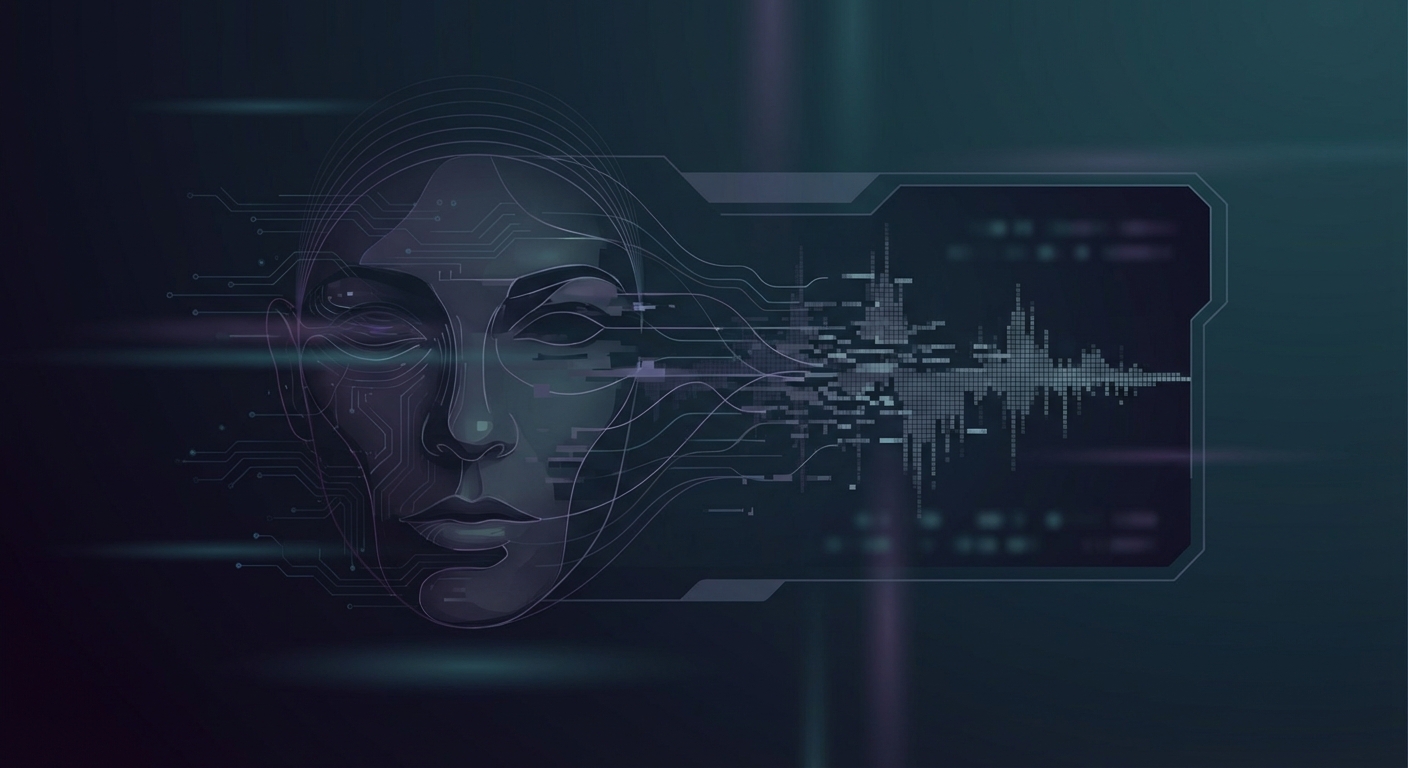
In a striking example of life imitating work, an AI security company recently found itself face-to-face with the very threat it was designed to combat: a deepfake job applicant attempting to infiltrate the organization through seemingly legitimate video interviews.
The Deepfake Applicant Phenomenon
The incident highlights a growing concern in cybersecurity circles—the use of synthetic media and deepfake technology not just for misinformation campaigns or fraud against individuals, but as sophisticated tools for corporate espionage and infiltration. Job applicants using AI-generated faces, voice cloning, and real-time face-swapping technology represent an emerging vector for threat actors seeking to place operatives inside target organizations.
For an AI security company, the irony was not lost. The firm's expertise in detecting and defending against synthetic media meant its hiring team was uniquely positioned to spot the anomalies that might slip past traditional HR processes. This real-world encounter served as both a validation of the threat model they address and a practical test of their detection capabilities.
How Deepfake Applicants Operate
The mechanics of a deepfake job application attack typically involve several components working in concert. Visual synthesis creates a convincing face that doesn't match any real person, making reverse image searches ineffective. Real-time face-swapping allows the attacker to overlay this synthetic identity during live video calls, responding naturally to interview questions while hiding their true appearance.
Voice cloning technology has advanced to the point where attackers can generate natural-sounding speech in real-time, matching the synthetic persona's apparent demographics. Combined with carefully crafted backstories, fake credentials, and social media profiles built over time, these synthetic applicants can present a convincing package to unsuspecting hiring managers.
The motivations behind such attacks vary. State-sponsored actors may seek to place operatives in companies with access to sensitive technology or data. Cybercriminal organizations might aim to install insiders who can facilitate future attacks or exfiltrate valuable intellectual property. In some cases, the goal is simply to secure remote work positions and collect paychecks under false pretenses.
Detection Strategies and Red Flags
The security company's successful identification of the deepfake applicant offers lessons for organizations across industries. Several technical and behavioral indicators can help unmask synthetic candidates:
Visual artifacts remain the most reliable technical tell. Current deepfake technology still struggles with consistent lighting, especially around the hairline and ears. Unusual flickering, momentary distortions when the subject turns their head, and inconsistent reflections in glasses or eyes can all signal synthetic video.
Audio-visual synchronization issues persist even in sophisticated deepfakes. Subtle mismatches between lip movements and speech, or unnatural pauses in conversation, warrant closer examination.
Verification challenges prove particularly revealing. Asking candidates to perform unexpected actions—touching their face, showing their hands, or holding up identification—can expose the limitations of real-time face-swapping systems.
Background inconsistencies in professional history often accompany synthetic identities. While the deepfake may be technically convincing, the supporting documentation and references frequently contain verifiable gaps or fabrications.
Implications for Enterprise Security
This incident underscores the need for organizations to update their hiring security protocols. Traditional background checks were designed for a world where identity documents and video calls could be trusted as authentic. That assumption no longer holds.
Companies handling sensitive information or developing critical technologies should consider implementing multi-modal verification processes that combine video interviews with in-person meetings, biometric verification, and enhanced document authentication. Some organizations are now deploying real-time deepfake detection tools during video interviews, analyzing facial movements and audio patterns for signs of synthesis.
The challenge extends beyond individual companies. As deepfake technology becomes more accessible and convincing, the entire ecosystem of remote hiring and verification faces fundamental questions about digital identity and trust.
The Evolving Arms Race
For AI security companies, incidents like this represent both a threat and an opportunity. Each attempted infiltration provides valuable data on adversarial techniques, informing the development of more robust detection systems. The cat-and-mouse dynamic between deepfake creators and detectors continues to accelerate, with each side learning from the other's advances.
As synthetic media technology improves, the window for detection based on technical artifacts will narrow. The security industry is increasingly focused on developing more sophisticated detection methods, including analyzing behavioral patterns, physiological signals, and contextual inconsistencies that are harder to fake than raw visual appearance.
This particular encounter ended with the deepfake applicant being caught before any damage occurred. But it serves as a warning that the threat landscape has evolved—and that every organization, not just security firms, needs to prepare for a world where seeing is no longer believing.
Stay informed on AI video and digital authenticity. Follow Skrew AI News.